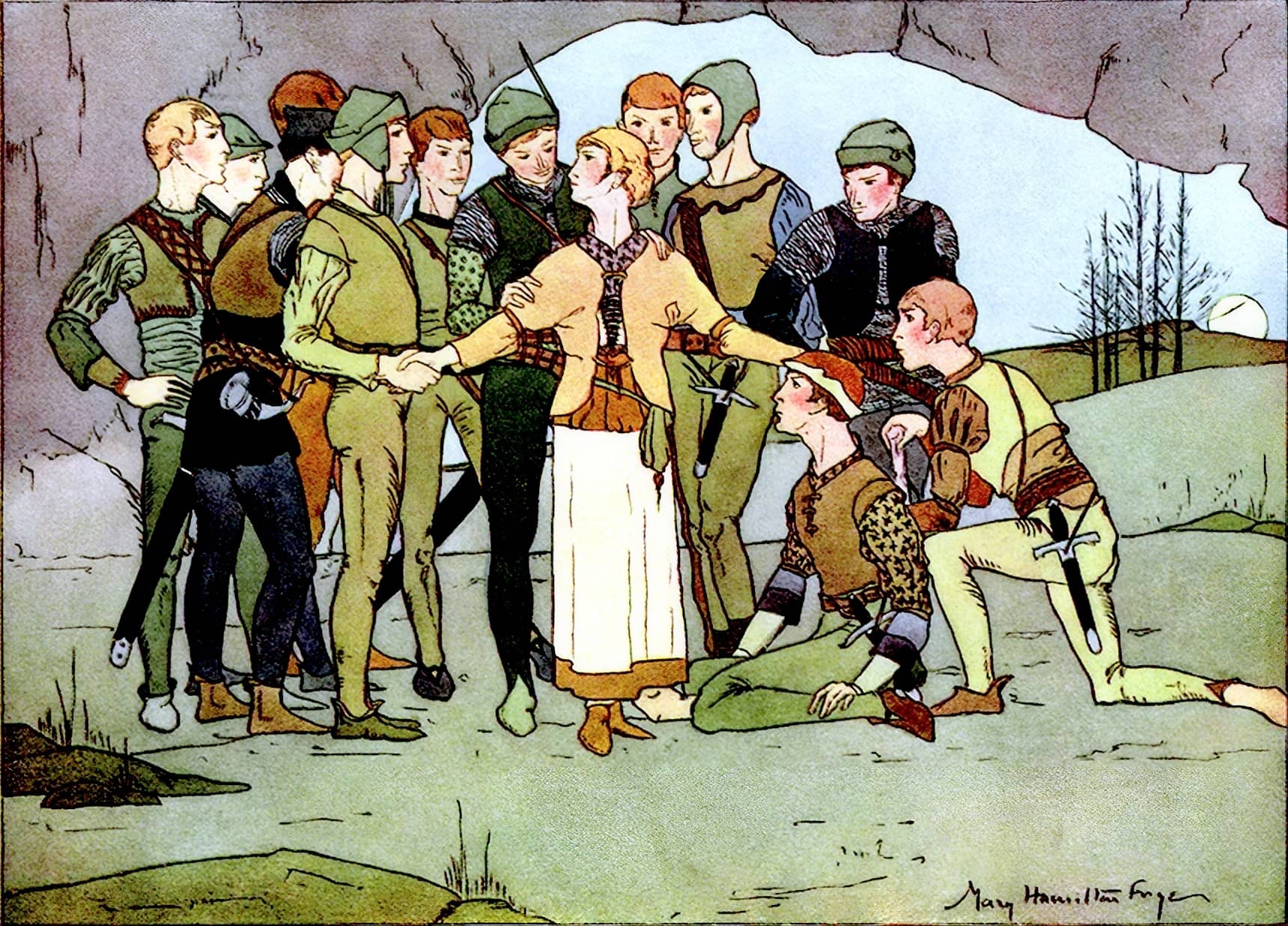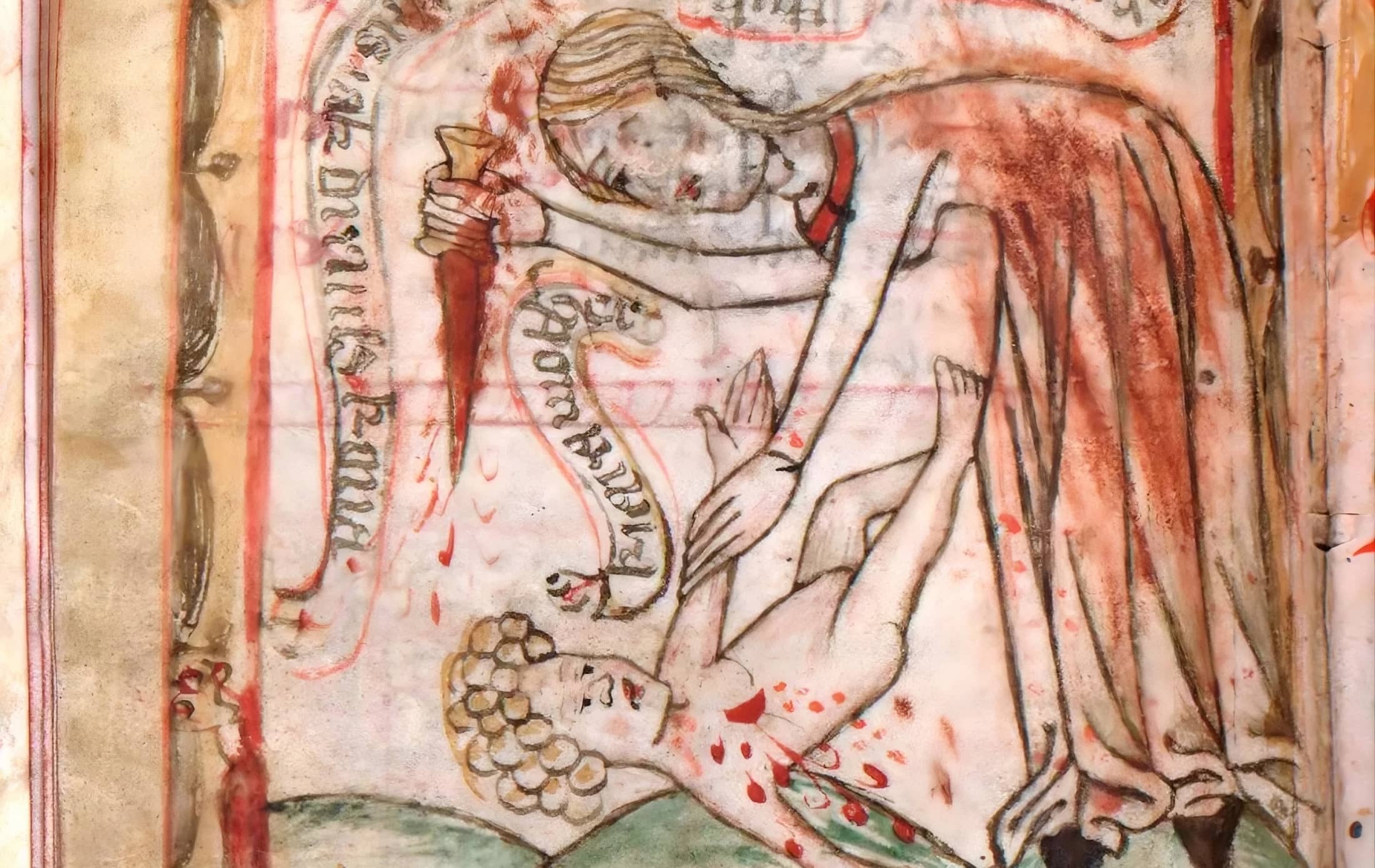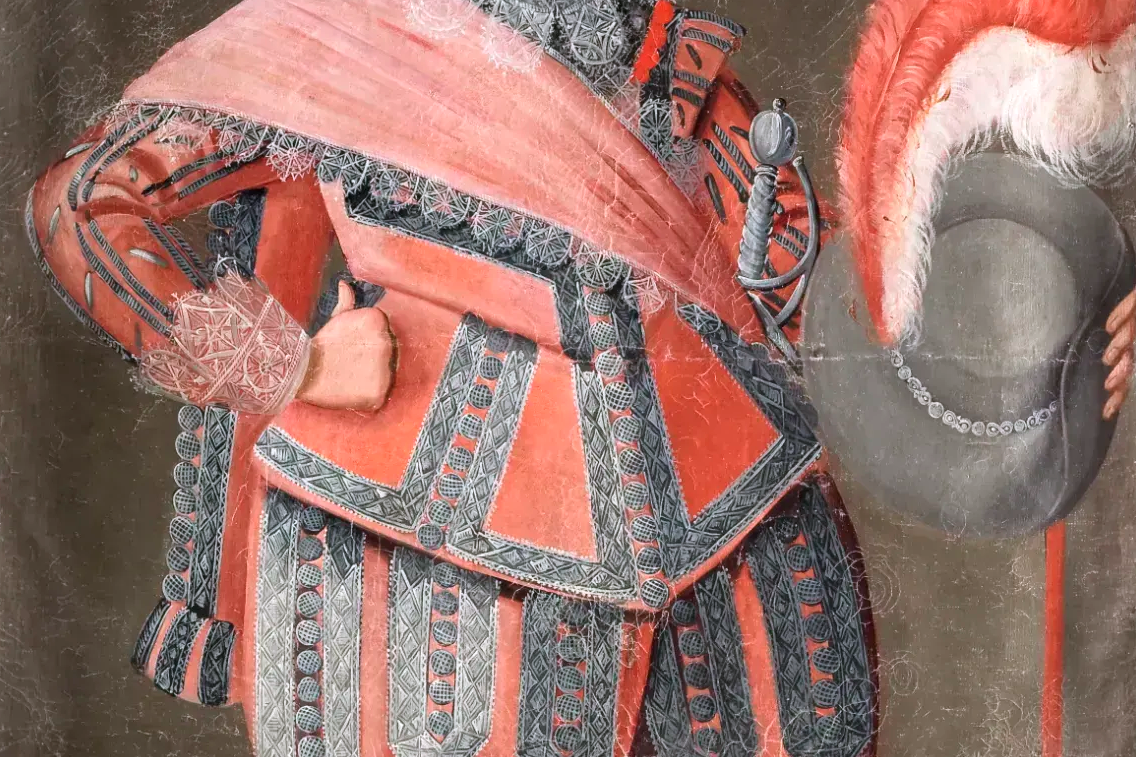
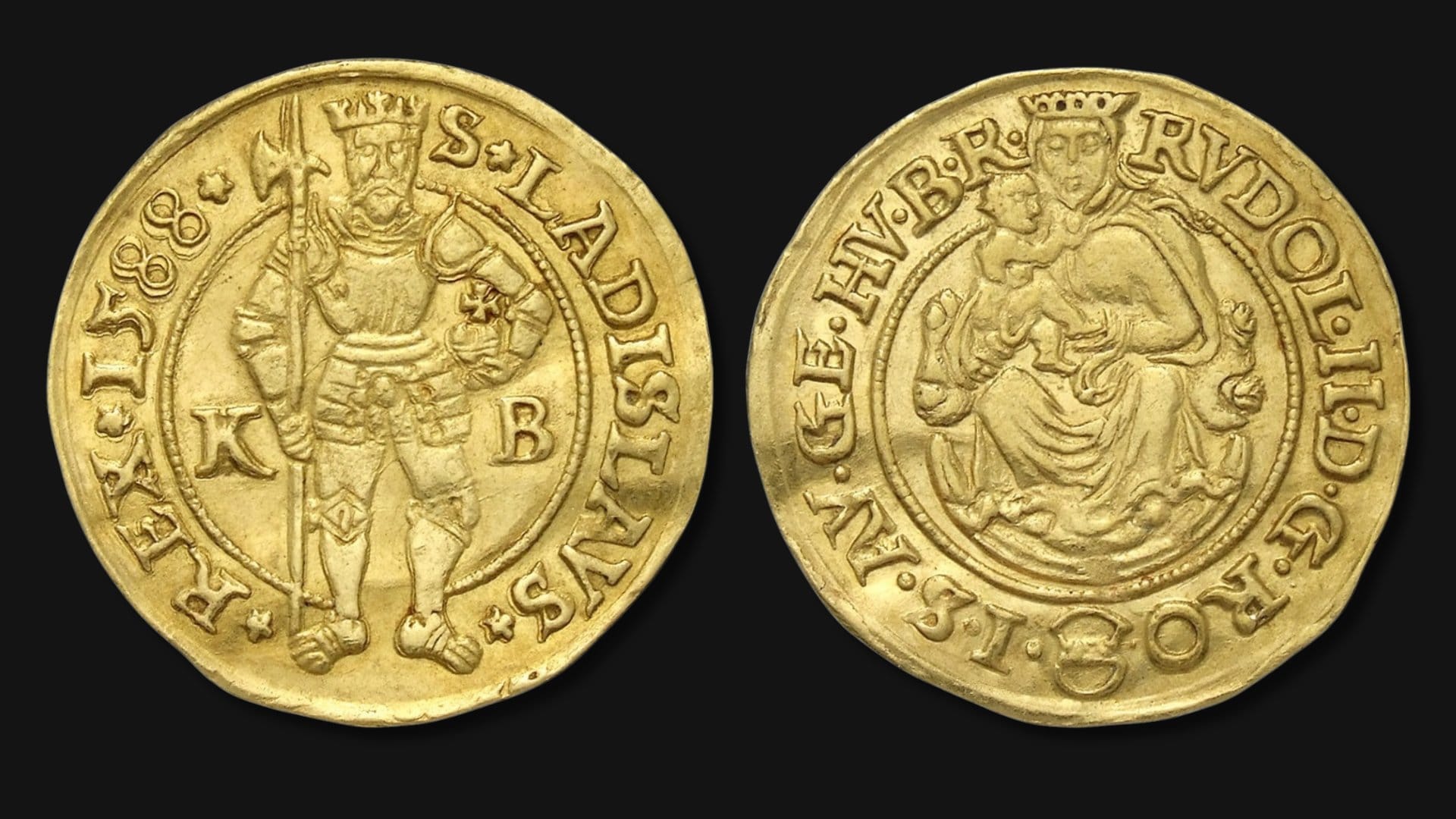
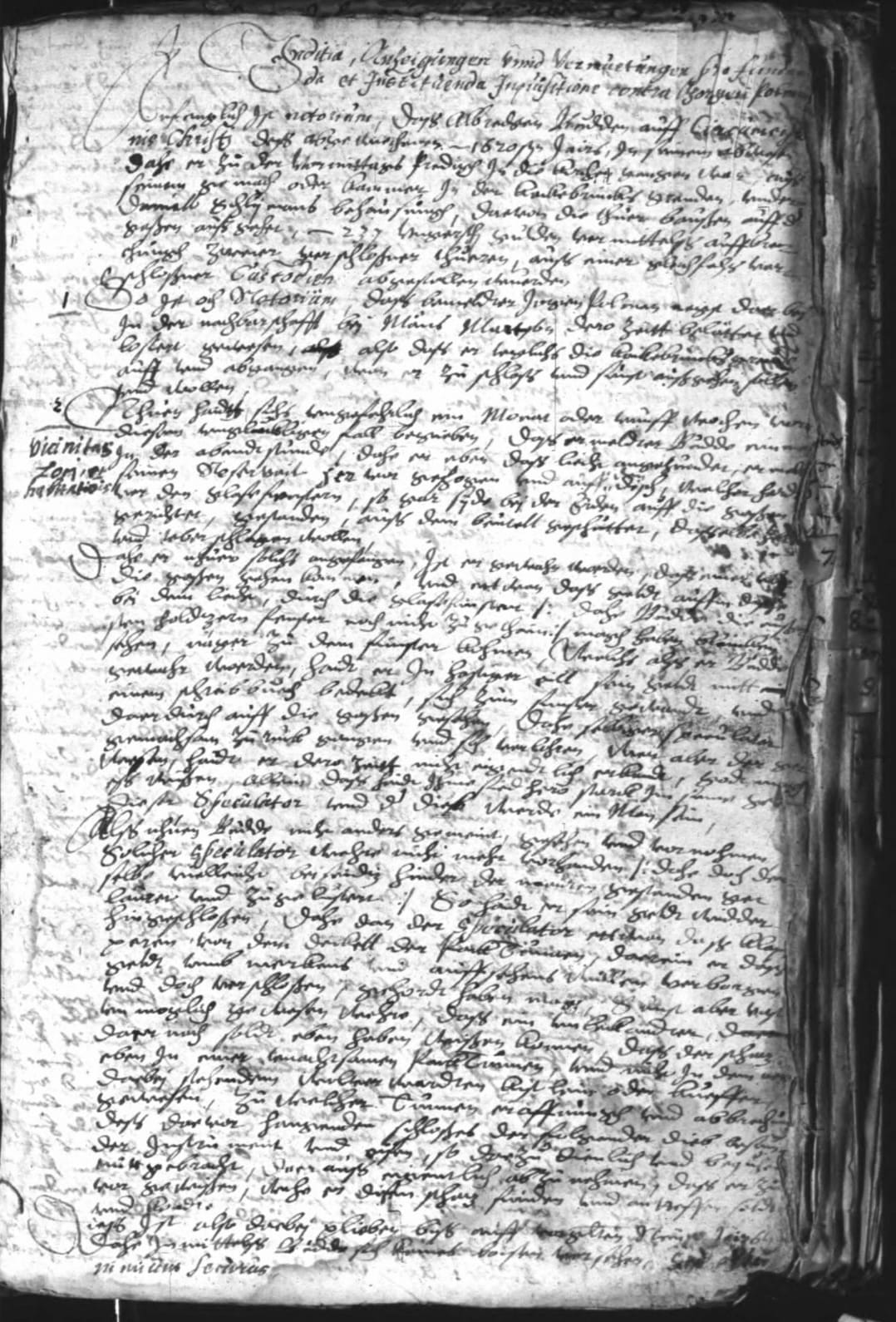
"That Polman was at a Tailor's ... Master Andreas ... He, Polman, pulled a handful of Hungarian Guilders out of his breeches pocket ... Saying: 'Look here, No Fear – That I have enough money to pay. See, the Tailor thought I had no money... That I have from my Patrimony, That my Father sent me.'"
— Bill of Particulars ("Indicia"), Point 11, 1621
That was what Jöran Polman the Younger told the tailor as he pulled a fistful of Hungarian gold from his breeches pocket sometime in January 1620. A flash of coin, a casual boast, a performance of sudden wealth. The tailor, Master Andreas, noted it. So did the neighbours. So, eventually, did the courts.
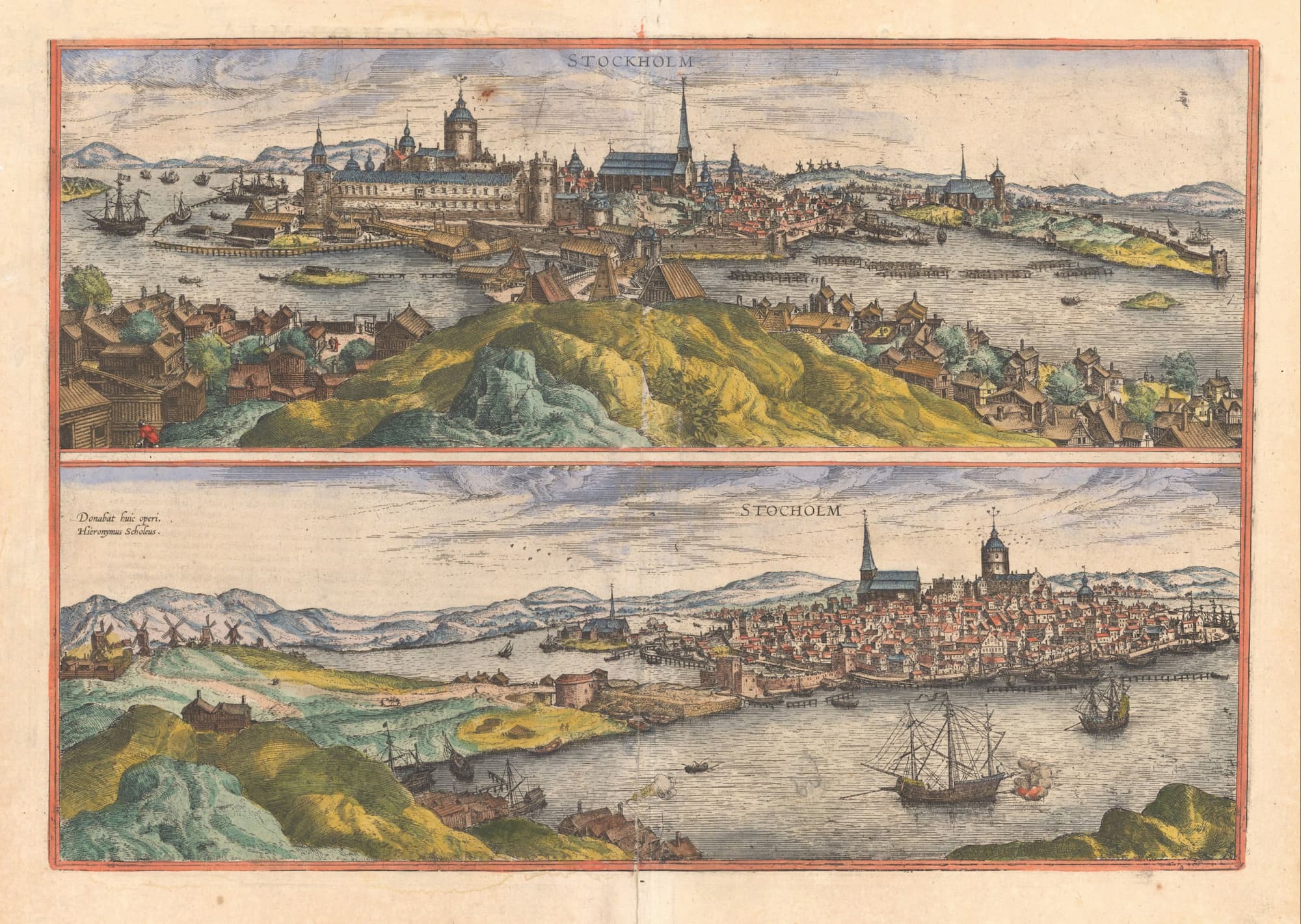
Polman was lodging at the house of Måns Ulfsson in Stockholm. In the room next to his lived a Dutch wine merchant named Albrecht Budde. Crown account ledgers show Budde doing direct business with the Kammarkollegiet – the Swedish treasury – between 1613–1619, in the company of mint masters, royal tailors, and the same Crown financiers who moved through Stockholm's upper merchant world. He was also a Procurator who had represented wealthy clients in complex commercial disputes before the Stockholm city courts – and who, that same year, walked out of one such case rather than continue working for clients who doubted his judgment.[[1]]
Budde had also, sometime that same winter, lost 237 Hungarian Ducats from a small chest sitting on the counter in his room. He suspected his next-door neighbour, Polman, of having taken them.[[2]] He would spend the next three years trying to prove it. Few plaintiffs went as far: a royal treasury audit, a bill of particulars invoking the criminal code of the Holy Roman Emperor, even a formal request for court-authorised torture. The law demanded a witness to the crime itself and there wasn't one.
But Budde was not a man who accepted that quietly.
The Chest on the Counter
At the time of the theft, Jöran Polman was in his early twenties. He had recently arrived at the Swedish court as a hovjunkare. He was also attached to the German regiment of German soldiers under the command of Count Philip of Mansfeld.[[3]] In the legal record, he appears as "Junker Polman" – an honorific for a young nobleman of good family, but one that carried weight in a court of law.
The chest Budde kept on the Kanterbäncken — the counter in his room — held 237 Hungarian Ducats, gold coins minted at Körmöcbánya and prized across Europe for their purity. The coins' German name, Ungarische Gulden, appears throughout the record. A single ducat traded in Sweden in 1620 for roughly 1.5 to 1.75 silver Riksdaler, placing the full sum at somewhere between 350 and 475 Riksdaler.[[4]] During this period, a foot soldier earned approximately 40 Riksdaler a year;[[5]] a modest wooden house on the outskirts of Stockholm cost between 100 and 200.[[6]] The chest on Budde's counter held a decade of a working man's wages, or two houses.
The chest on Budde's counter held a decade of a working man's wages, or two houses.
Budde would later describe Polman as a "Speculator" – someone who had watched the room, noted its routines, and knew where the key to the chest was kept.[[7]] Whether the theft happened in a single night or over several days, the chest was gone.
"From My Patrimony"
Within days, Polman's behaviour shifted. He and his comrades were seen feasting and drinking wine on Sundays and at banquets, treating themselves "gloriously," often outdoing wealthier companions.[[8]] Then came the visit to Master Andreas.
"Since it is widely known that last winter, at a certain place, he pulled a hand full of Ducats out of his bag/purse. And when he was asked if he had received the gold from the Castle, he answered No, but that he had received 200 Reichsthaler from his Father, which he also mostly consumed/spent with good companions."
— Sheriff's Record of Interrogation, August 18, 1620
When asked about the source of the gold at the tailor's shop, Polman said it came from his father – Jürgen Polman, the Elder – 200 Reichsthaler, sent from home, spent on good companions.[[9]] The explanation was the kind a nobleman's son might offer. It was also a lie – and one Polman would abandon before the same interrogation was finished.
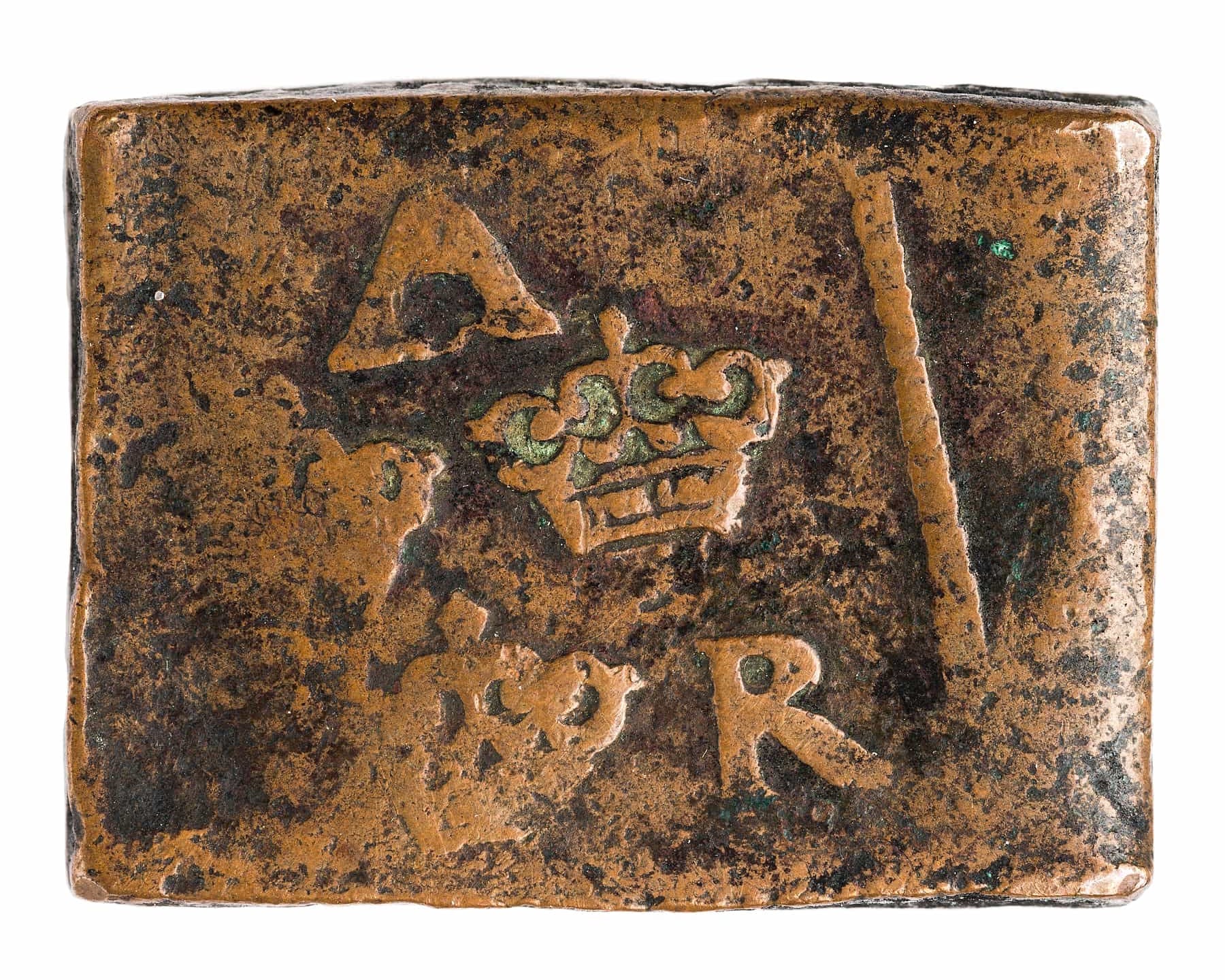
The detail that would matter most was not the amount but the currency itself. Polman had been seen handling specifically Hungarian Ducats – the same denomination that had filled Budde's chest. That detail, buried in an interrogation record, would form the spine of Budde's case.
Copper, Not Gold
Rumours circulated through the regiment for months. By August 1620, they had reached Lieutenant Johan Banér – then a junior officer, later Field Marshal of the Thirty Years' War – and the War Sheriff Lorentz Möller (Kriegsschultheiß). On August 18, the two men formally interrogated Polman before the colonel.[[10]]
He began with the father story: 200 Reichsthaler, spent on good companions. Pressed further in the same session, he retracted it. He had only ever had five Ducats, received from a man named Martis Wyg as two months' soldier's pay. The father's money, Polman now said, had been "spoken as a boast."[[11]]
On December 31, 1620, Budde confronted Polman directly before Sheriff Möller. He appealed to Polman as "a Righteous Junker," asking him formally to explain where the gold had come from.[[12]] Polman offered a third account. He had received 14 Reichsthaler from the royal treasury — "the Castle" — in January, plus three or four Ducats exchanged with Junker Nobis or Henrich Simonson, though he could not recall how many, or from whom exactly. Budde pressed back carefully, stating for the record that he was not formally accusing Polman of theft, only asking where the money came from, so that he might recover what was his.
Then Polman turned indignant: he had been questioned coram Judice rather than privatim – before a judge rather than in private – and the public proceeding was an insult to his honour. He referred the matter to his colonel and refused to say more.[[13]] Budde immediately requested that Polman post bail, fearing he would leave town before the case was resolved.[[14]]
On January 3, 1621, Budde submitted a formal request for a royal audit of the treasury records.[[15]] If he could prove what coin the royal attendants received in January 1620, he could collapse the "Castle" alibi entirely. On January 12, the Royal Chamber issued its certificate.
"It has [been confirmed]... on the 15th of January, following Colonel Kloot's command, [someone] delivered to Polman 22 Daler in red pennies [copper]... At the same time, Henrich Simonson recounted that Polman has exchanged three or four Hungarian Guilders."
— Certificate from the Royal Chamber, January 12, 1621
He had claimed his gold came from the Castle. The Castle had paid him in copper. Meanwhile, he was changing Hungarian Ducats he could not account for.
The record was unambiguous. Polman had received copper coin from the Castle – not gold, not Hungarian Ducats.[[16]] At the same moment, witness Henrich Simonson testified that Polman had been exchanging Hungarian Guilders. He had claimed his gold came from the Castle. The Castle had paid him in copper. Meanwhile, he was changing Hungarian Ducats he could not account for.
Indicia
Armed with the audit certificate, Budde filed his Bill of Particulars on March 19, 1621, a formal enumeration of circumstantial grounds for instituting an inquisition against Jöran Polman.[[17]] Its purpose was to establish enough circumstantial evidence to justify court-authorised physical interrogation – Tortura, or Peinliche Frage. Budde's lawyers grounded the request in the Constitutio Criminalis Carolina.[[18]]
The Indicia established Proximity: Polman had lived next door and observed the room.[[19]] It established Sudden Wealth: the tailor's scene, the feasting, the gold.[[20]] It established Lying: three contradictory stories, each producing a different source for the same money.[[21]] It established Fear: when Sheriff Möller confronted Polman, he "had become totally perplexed and turned totally pale, changing his colour and manner," then threatened that the Sheriff would regret it tomorrow. The Sheriff replied coolly that perhaps the proof would come to light.[[22]]
Polman's wife Christina Lilliesparre – recorded in the Latin shorthand Vxor – asked him why he was so sad and urged him to be happy, to let the Devil take his worries. Polman replied: "Yes, if I were allowed to do otherwise... The Bail, I should indeed have found them."[[23]] The Indicia reads this as Timor et Conscientia. It was also a man telling his wife he could not find guarantors and did not know what was coming.
Point 24 records a scene Budde labelled Tentata Revocatio. Polman arrived before the Sheriff with his brother, who told him: "You were not guilty of this... Take comfort... and keep your Conscience right!" Polman echoed him: "Yes, he has... taken nothing away." Polman, Budde argued, had been wavering toward confession until his brother intervened to stop him.[[24]] Who the brother was – the term Bruder could denote a blood relative, a comrade, or a close companion – the document does not say.
This story came from the archive.
Polmanarkivet is a digital archive dedicated to six centuries of Polman, Påhlman, and von Pohlmann history — researching what survived, and recovering what was buried. Become a free Member and get new research and stories like this one delivered to your inbox every month.
Excerpta
Alongside the Indicia, Budde submitted a second document: the Excerpta. Its Latin title announced that it would document the life of Georg Polman as lived in Stockholm – with particular attention to "his skills in the art of ballistics and archery."[[25]] What followed was eleven points of theft and violence spanning his entire career.
The first entry concerned a sable fur stolen from a bench in the wine cellar of Henrich Borgerling during Polman's service with the Lord High Marshal.[[26]] The second described how Polman, entrusted by the same Marshal with money to commission a pair of pistols from a gunsmith named Master Philipp, apparently pocketed the funds and ran.[[27]] Further entries recorded a velvet coat stolen from a court scribe; Polman being expelled from the household of Lady Taube for offences the Excerpta declined to specify, noting only that they were too rude to speak of; a standard bearer shot through the arm at Nyköping and left bleeding on the ground; a barber shot through the hand at Norrköping with a crossbow.[[28]]
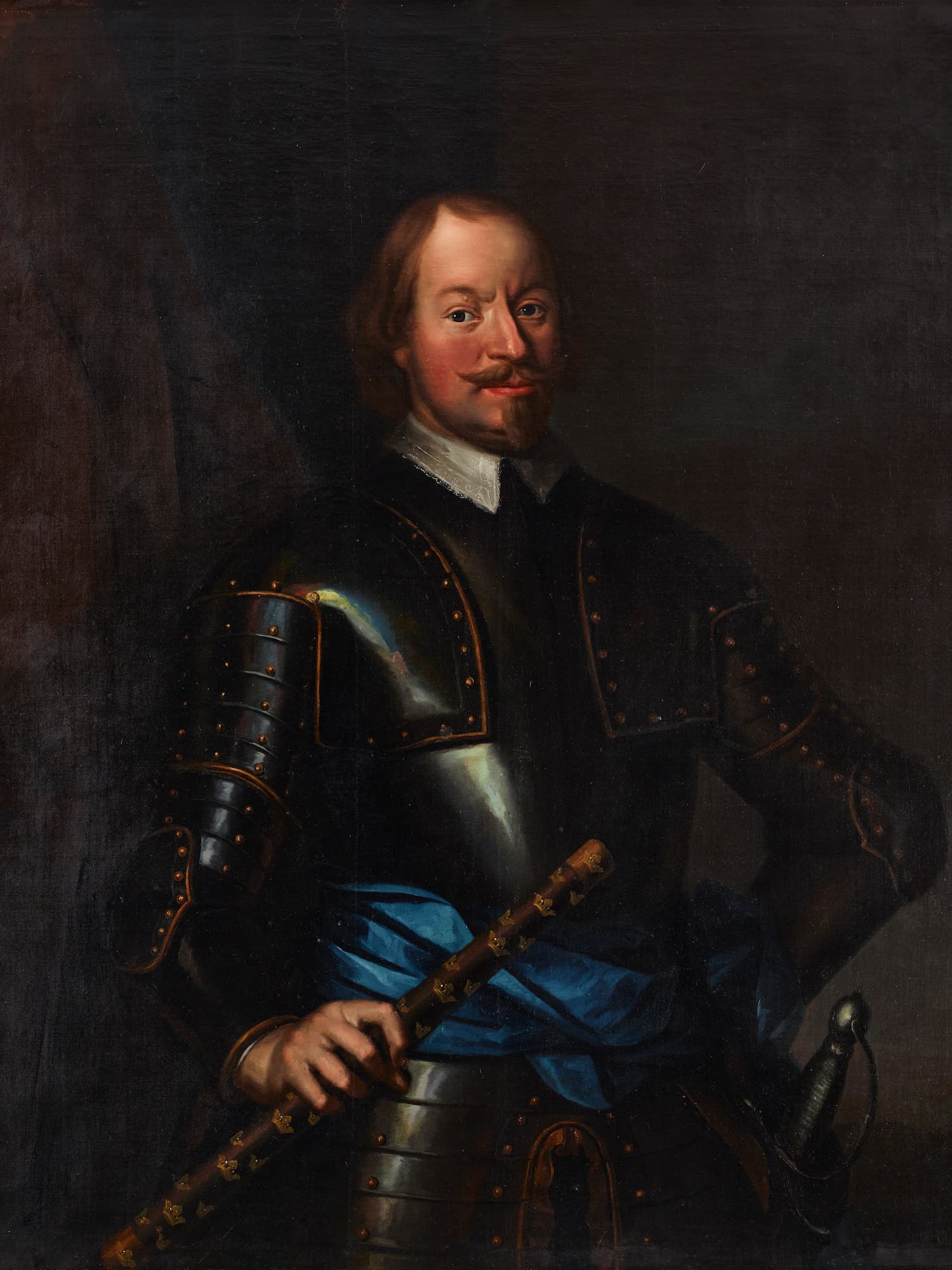
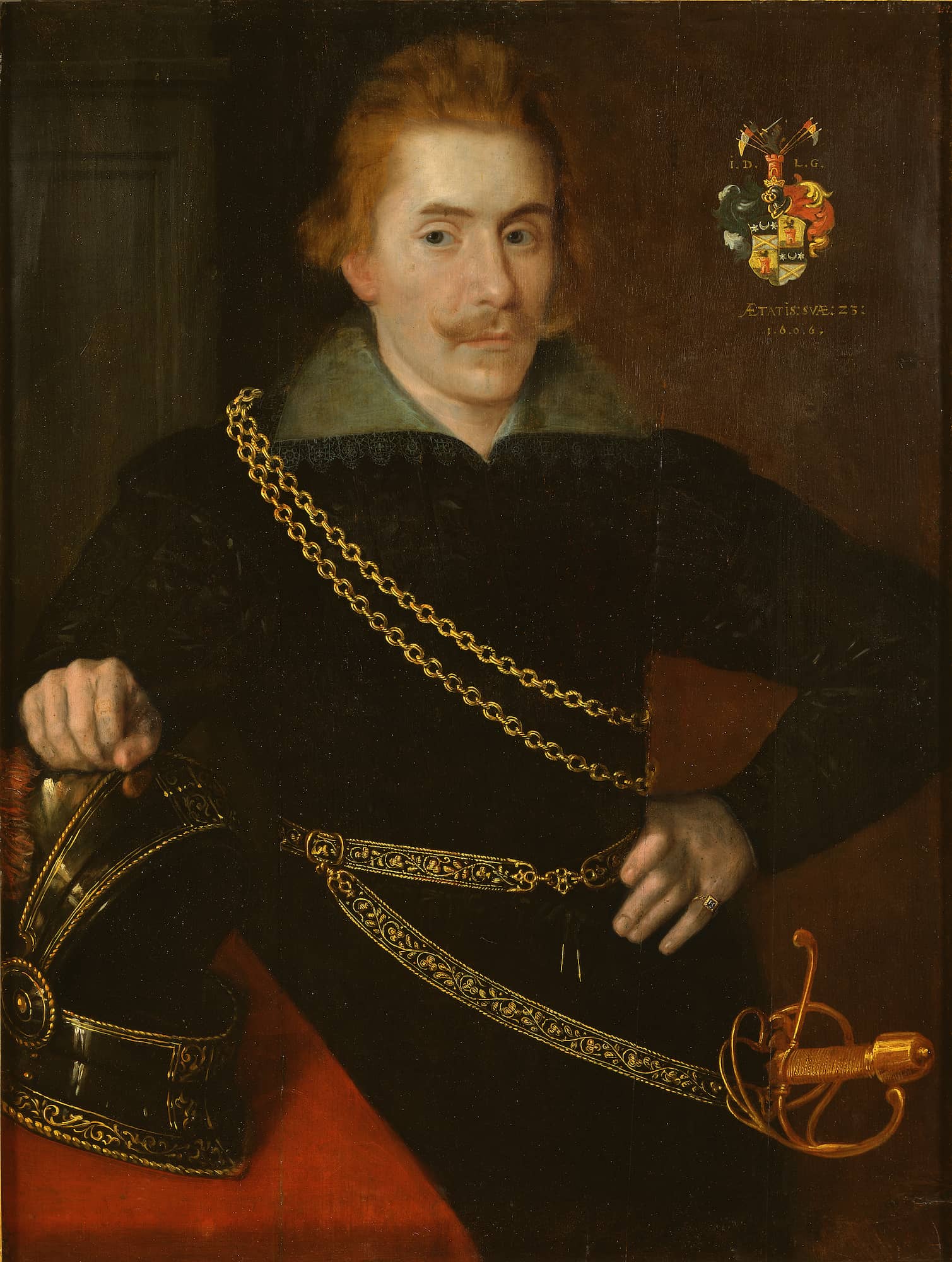
Left: Fig. 4 – Unknown artist, Portrait of Field Marshal Johan Banér, c. 1700, oil on canvas. Image via Uppsala Auktions Kammare / Wikimedia Commons (PDM). Right: Fig. 5 – Unknown artist, Portrait of Count Jacob De la Gardie, 1606, oil on wood. Image via Nationalmuseum, Stockholm (PDM). Polman served under De la Gardie in Livonia and was later formally interrogated by Banér in Stockholm.
The final major entry concerned Polman's time in Livonia serving Jacob Pontusson De la Gardie, the celebrated Field Marshal. Sable furs went missing from the household. Polman reassured a fellow servant:
"Brother, do not look at me for this, That I am the Man [who stole them]... The Sables will not be gone... you just search diligently... I will find [them]."
— Excerpta quædam ex vita Georgy Polmannj, Point 9, 1621
He did find them. Hidden under a chest, where he had presumably placed them himself.[[29]]
The pattern was consistent. Petty opportunism, sudden violence, a habit of serving the highest names in the Swedish nobility, and burning each posting before moving to the next.
The pattern was consistent. Petty opportunism, sudden violence, a habit of serving the highest names in the Swedish nobility – including the Reichsmarschall, Jacob De la Gardie, Claes Kristersson Horn af Åminne – and burning each posting before moving to the next. In Horn's household alone, the Excerpta notes, the offences were severe enough to earn Polman a beating.
The court did not act on the Indicia. The torture request was denied.
“With Ill-Will”
Polman had already moved to counter-attack. His own written response to the court, signed Jorgen Polman in a confident hand, framed the dispute entirely as an assault on his honour.[[30]] His lawyer, Johannes Suenonis, argued under military law that the unproven accusation was, by definition, Calumny. The slanderer, he argued, should face the same punishment as the accused.[[31]]
Polman also produced a witness. Mårten Wewitzer (later ennobled as Rosenstierna), one of the wealthiest Crown financiers in Stockholm, was called before the lower court, apparently to corroborate Polman's account of how such currency exchanges were ordinary financial practice.[[32]] That a man of Wewitzer's standing was willing to appear for Polman speaks to the social world he moved in, whatever he had done within it.
Budde fought back in a letter to the Governor and the Stockholm Burgomasters. He had not accused Polman of theft. He had merely requested a truthful account of the 600 Guilders Polman had been seen handling – the total of suspicious transactions in his Bill of Particulars, at the core of which sat the original 237 Ducats.[[33]] He had asked where the money came from. "Every Man," he wrote, "is through all Laws obliged to give Testimony of Truth."[[34]]
The man Budde had pursued through three years of courts was standing between him and the King, flanked by royal soldiers, and he was laughing.
The lower court was unmoved. When Budde tried to lodge his appeal money, the Burgomasters refused to accept it. He appealed to the Svea Hovrätt; in his petition, he accused the Stockholm Burgomasters of acting "with ill-will to favour Polman" – of conspiring to free him from having to account for the gold.[[35]]
And then he went to the Palace.
Budde had attended the Governor's procession and made his way to the Royal Hall, waiting for an audience with the King. He was standing close to the door of the royal chamber. Three years of courts, of interrogations and audit certificates and unanswered petitions, had brought him here. There was one door between him and the chance to put the case before the Crown directly.
Jöran Polman arrived.[[36]]
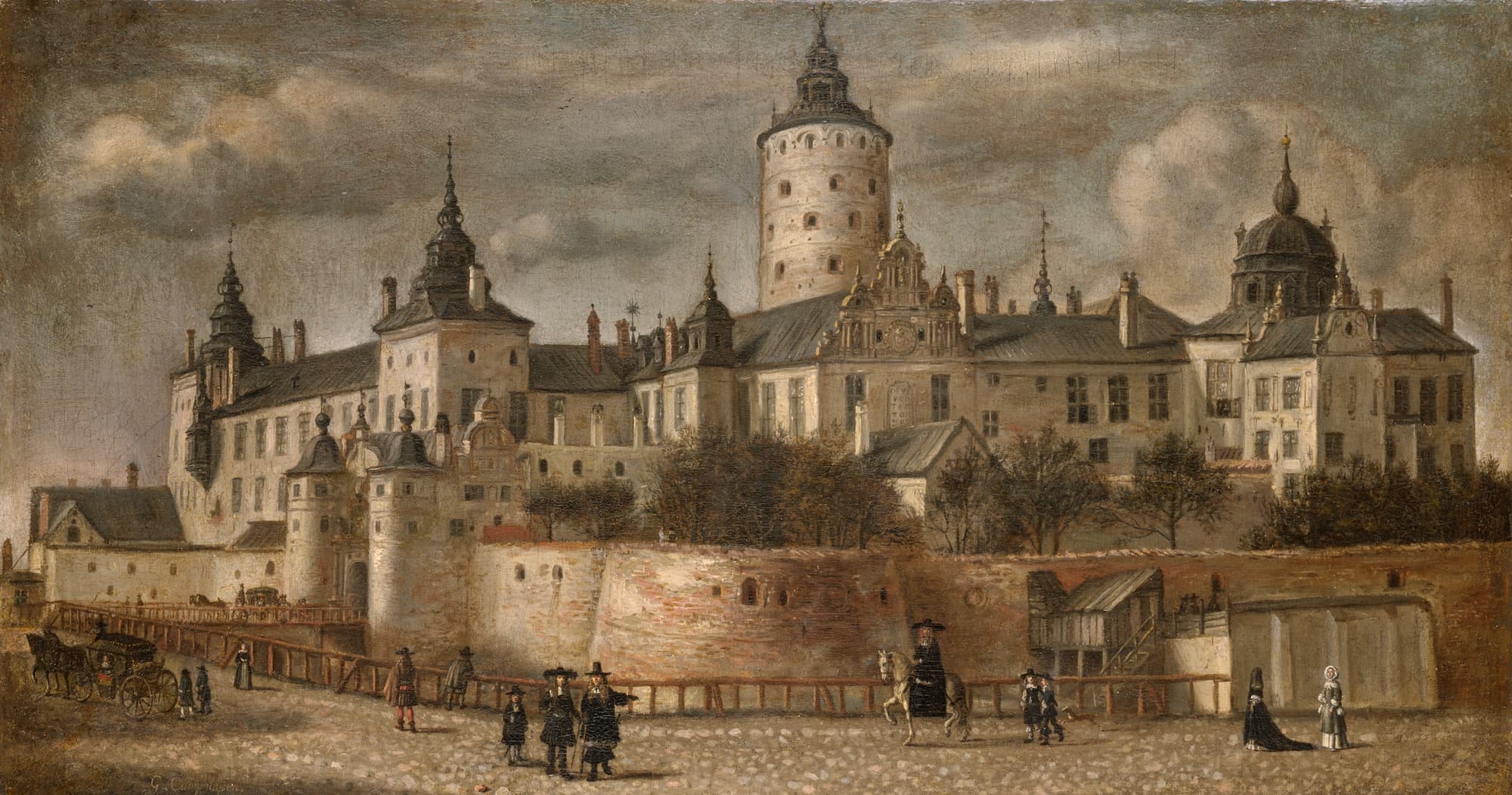
He came with the Drabanten – the King's own bodyguard, the halberdiers of the royal household. The man Budde had pursued through three years of proceedings was standing between him and the King, flanked by royal soldiers, and he was laughing. The record does not say what Polman said. Budde did not get his audience.
Just and Lawful
"Therefore Jöran Polemann is judged by the Court to be completely free from the same Case: And Albrecht Budde is fined for the False Accusation (Wijtebmålet), according to the 2nd Chapter of the Theft Code, to 60 Daler punishment."
— Verdict of the Stockholm City Court, March 24, 1623
On March 24, 1623, the Stockholm City Court found that Budde had submitted no proofs sufficient to bind Polman.[[37]] Polman was declared "completely free." Budde was fined 60 Daler under the second chapter of the Theft Code (Wijtebmålet). Between May and July 1623, Budde appeared before the Svea Hovrätt six times, submitting his proofs, waiting for the Burgomasters' declaration to be read, and pressing his case.[[38]] On July 5, the Court issued its answer.
"...sentenced to 60 Daler Silvermint fine, Which judgment... is found to be Just and Lawful..."
— Verdict of the Svea Hovrätt, July 5, 1623
Just and lawful.[[39]] The fine stood. Whether Albrecht Budde – the wine merchant, the legal agent, the "old and sorrowful man" who had spent three years trying to recover what was his – ever paid it, the record does not say. Nor what became of him afterwards.
This article was produced with AI assistance. Transcription and translation of primary sources was carried out using Gemini 3.0 Pro, with outputs cross-checked across multiple models. The author used an LLM to support research synthesis and drafting, directed the process throughout, and verified all factual claims. For a full account of how Polmanarkivet uses AI, see our AI Policy.
[[1]]: Kammarkollegiet, Ämnessamlingar, Försträckningar före 1620, Avräkningar med särskilda personer: Budde, Albrecht, 1613–1619, Riksarkivet. The series documents Crown credit and account settlements with direct suppliers and creditors; given Budde's identification as Holländsk vinhandlare in Stockholms Tänkeböcker, his dealings almost certainly involved the supply of imported wine on credit, though the specific nature of the transactions requires examination of the volume itself. For his identification as wine merchant and Procurator, and for the Lehusen case (October 1620), see: Olsson, Sven, and Naemi Särnqvist, eds. Stockholms Tänkeböcker Från År 1592. Vol. 12 (1620–1621). Stockholm: Stockholms Stadsarkiv, 1976, pp. 37–38, 93–94, http://libris.kb.se/bib/129451.
[[2]]: Svea Hovrätt, Huvudarkivet, vol. EVIa2aa:32 (1620), image 115, "Indicia," points 1–3. Digital images, ArkivDigital.
[[3]]: "Jöran Polman (1597 – c. 1647)," Polmanarkivet, https://polmanarkivet.com/joran-polman-1597-1648/; Svea Hovrätt, Huvudarkivet, vol. EVIa2aa:32 (1620), image 110, attestation by Lorentz Müller, December 31, 1620. Digital images, ArkivDigital.
[[4]]: Edvinsson, Rodney, Tor Jacobson, and Daniel Waldenström, eds. Historical Monetary Statistics for Sweden: Exchange Rates, Prices, and Wages, 1277–2008. Stockholm: Sveriges Riksbank / Ekerlids Förlag, 2010, ch. 4.
[[5]]: Roberts, Michael. Gustavus Adolphus: A History of Sweden, 1611–1632. Vol. II. London: Longmans, Green and Co., 1958.
[[6]]: Edvinsson et al., Historical Monetary Statistics for Sweden, ch. 4.
[[7]]: Svea Hovrätt, Huvudarkivet, vol. EVIa2aa:32 (1620), image 115, "Indicia," points 2–3. Digital images, ArkivDigital.
[[8]]: Svea Hovrätt, Huvudarkivet, vol. EVIa2aa:32 (1620), image 118, "Indicia," point 14. Digital images, ArkivDigital.
[[9]]: Svea Hovrätt, Huvudarkivet, vol. EVIa2aa:32 (1620), image 107, Sheriff's record of interrogation, August 18, 1620. Digital images, ArkivDigital.
[[10]]: Ibid.
[[11]]: Ibid.
[[12]]: Svea Hovrätt, Huvudarkivet, vol. EVIa2aa:32 (1620), image 110, attestation by Lorentz Müller, December 31, 1620. Digital images, ArkivDigital.
[[13]]: Svea Hovrätt, Huvudarkivet, vol. EVIa2aa:32 (1620), image 111, interrogation transcript, December 31, 1620. Digital images, ArkivDigital.
[[14]]: Ibid.
[[15]]: Svea Hovrätt, Huvudarkivet, vol. EVIa2aa:32 (1620), image 112, Budde's petition to the War Sheriff, January 3, 1621. Digital images, ArkivDigital.
[[16]]: Svea Hovrätt, Huvudarkivet, vol. EVIa2aa:32 (1620), image 114, Certificate from the Royal Chamber, January 12, 1621. Digital images, ArkivDigital.
[[17]]: Svea Hovrätt, Huvudarkivet, vol. EVIa2aa:32 (1620), images 115–121, "Indicia," March 19, 1621. Digital images, ArkivDigital.
[[18]]: Svea Hovrätt, Huvudarkivet, vol. EVIa2aa:32 (1620), image 121, legal citations from the Constitutio Criminalis Carolina (Articles 25, 43, 93). Digital images, ArkivDigital.
[[19]]: Svea Hovrätt, Huvudarkivet, vol. EVIa2aa:32 (1620), image 115, "Indicia," point 2. Digital images, ArkivDigital.
[[20]]: Svea Hovrätt, Huvudarkivet, vol. EVIa2aa:32 (1620), images 117–118, "Indicia," points 11, 13–14. Digital images, ArkivDigital.
[[21]]: Svea Hovrätt, Huvudarkivet, vol. EVIa2aa:32 (1620), images 117–118, "Indicia," points 15–16. Digital images, ArkivDigital.
[[22]]: Svea Hovrätt, Huvudarkivet, vol. EVIa2aa:32 (1620), image 118, "Indicia," point 18. Digital images, ArkivDigital.
[[23]]: Svea Hovrätt, Huvudarkivet, vol. EVIa2aa:32 (1620), image 119, "Indicia," point 19. Digital images, ArkivDigital.
[[24]]: Svea Hovrätt, Huvudarkivet, vol. EVIa2aa:32 (1620), image 120, "Indicia," point 24. Digital images, ArkivDigital.
[[25]]: Svea Hovrätt, Huvudarkivet, vol. EVIa2aa:32 (1620), image 122, Excerpta quædam ex vita Georgy Polmannj, 1621. Digital images, ArkivDigital.
[[26]]: Ibid., point 1.
[[27]]: Ibid., point 2.
[[28]]: Svea Hovrätt, Huvudarkivet, vol. EVIa2aa:32 (1620), images 122–123, "Excerpta," points 3–4, 6–8. Digital images, ArkivDigital.
[[29]]: Svea Hovrätt, Huvudarkivet, vol. EVIa2aa:32 (1620), image 124, "Excerpta," point 9. Digital images, ArkivDigital.
[[30]]: Svea Hovrätt, Huvudarkivet, vol. EVIa2aa:32 (1620), image 109, Polman's signed statement. Digital images, ArkivDigital.
[[31]]: Svea Hovrätt, Huvudarkivet, vol. EVIa2aa:32 (1620), image 108, legal argument by Johannes Suenonis. Digital images, ArkivDigital.
[[32]]: Svea Hovrätt, Huvudarkivet, vol. EVIa2aa:32 (1620), image 112, testimony of Mårten Wewitzer, January 9, 1621 or 1622. Digital images, ArkivDigital.
[[33]]: Svea Hovrätt, Huvudarkivet, vol. EVIa2aa:32 (1620), image 103, Budde's defence letter to the Governor and Burgomasters. Digital images, ArkivDigital.
[[34]]: Ibid.
[[35]]: Svea Hovrätt, Huvudarkivet, vol. EVIa2aa:32 (1620), image 97, appeal petition, May 27, 1623. Digital images, ArkivDigital.
[[36]]: Svea Hovrätt, Huvudarkivet, vol. EVIa2aa:32 (1620), image 116, "Indicia," point 6. Digital images, ArkivDigital.
[[37]]: Svea Hovrätt, Huvudarkivet, vol. EVIa2aa:32 (1620), image 125, verdict of the Stockholm City Court, March 24, 1623. Digital images, ArkivDigital.
[[38]]: Svea Hovrätt, Huvudarkivet, vol. EVIa2aa:32 (1620), images 97–99, appeal proceedings, May 27 – July 5, 1623. Digital images, ArkivDigital.
[[39]]: Svea Hovrätt, Huvudarkivet, vol. EVIa2aa:32 (1620), image 99, verdict of the Svea Hovrätt, July 5, 1623. Digital images, ArkivDigital.

Polmanarkivet is sustained by its Stewards
We have made this article free because we believe our family history belongs to everyone. If you value this work, please consider becoming a Steward of the Archive. Your annual contribution ensures these stories are never lost again.
Become a Steward