
Finding Aid
I. Name, Etymology & Origins II. Swedish Branch III. Estonian Branch IV. Prussian Branch V. LegacyThe Påhlman family (German: von Pohlmann, also Polman or Pollmann; Swedish: Påhlman; Russian: Полман, romanized: Polman) is an ancient noble family of Westphalian origin, with branches belonging to the Swedish, Estonian, and Prussian nobilities. The family is first attested in Livonia and Swedish Estonia in the late 16th century.[[1]] Over the following centuries, members of the family held prominent civil and military positions throughout the history of the Kingdom of Sweden.
In 1650, the Swedish branch was ennobled under Queen Christina and introduced into the Swedish House of Nobility. Another branch matriculated into the Estonian Knighthood and was later incorporated into the Russian nobility, while a Prussian branch attained baronial rank by diploma around 1735.[[2]] The family's legacy also includes contributions to Swedish education, notably through the founding of the Påhlmans Handelsinstitut in Stockholm.
The family name appears in multiple variants, including Polman, Pollman, Poldemann, Bolemann, Pohlmann, and Påhlman, reflecting its spread across different regions.[[3]] Several branches remain extant today.
Name, Etymology & Origins
14th centuryLinguistic origins and variations
The Pohlmann or Pollman surname and its variants are of Low German origin[[4]] and appear in various regions throughout Germany, particularly Westphalia and Bremen. The surname appears in records dating back to at least 1254, when a preacher named Johann Polemann was recorded in Braunschweig in Lower Saxony.[[5]] No definitive conclusion has been reached regarding its etymology, but several theories have been proposed. A common interpretation suggests a toponymic origin, denoting 'a man from Poland' or someone who traded with the region.[[6]][[7]] Another theory, proposed by name researcher K. J. Brechenmacher, traces the name to the Old High German given name Baldoman (meaning "bold man").[[8]] A further theory connects it to an occupational name from the Low German word for stake (paohl),[[9]] for a builder who worked on pile grids in swampy areas.
M. Pohlmann describes a more widely supported theory, connecting the name to the Middle Low German word pōl,[[10]][[11]] referring to a person who lived near water-filled depressions such as ponds or pools, or in a swampy area with stagnant water. This interpretation is also supported by heraldic evidence, including early coats of arms for Pohlmann families that feature a man standing in water, which serves as a literal representation of the name.[[12]] This theory also accounts for the name's independent appearance in multiple locations throughout the Low German-speaking world. For the branch that later entered Swedish service, the name was most commonly spelled Polman or Pollman before being officially recorded as Påhlman upon their ennoblement in 1650.
The Westphalian roots
The family is described as an uradel noble family[[13]] with origins tracing to the Middle Ages. The geographic scope of their early military service across Europe was recorded by the historian Carl Russwurm in the Records of the Estonian Knighthood (German: Acte der Estländischen Ritterschaft):
The family P. originates from Westphalia. The patricians and country squires von Pohlmann participated in wars and campaigns in Spain, France, Hungary and the Netherlands, and were regarded as people of rank and knightly standing.[[14]]
— Carl Russwurm, Acte der Estländischen Ritterschaft
Given the antiquity of these origins, complete records of the early lineage are often fragmented. Archival notes from the Estonian Knight Archive reference an "old defective pedigree table" (German: alte defekte Stammtafel)[[15]] documenting the family's filiation. This may correspond with a genealogical tree presented at a heraldic conference in Mitau in 1903, which traced the von Pohlmann family from 1380 to 1735.[[16]]
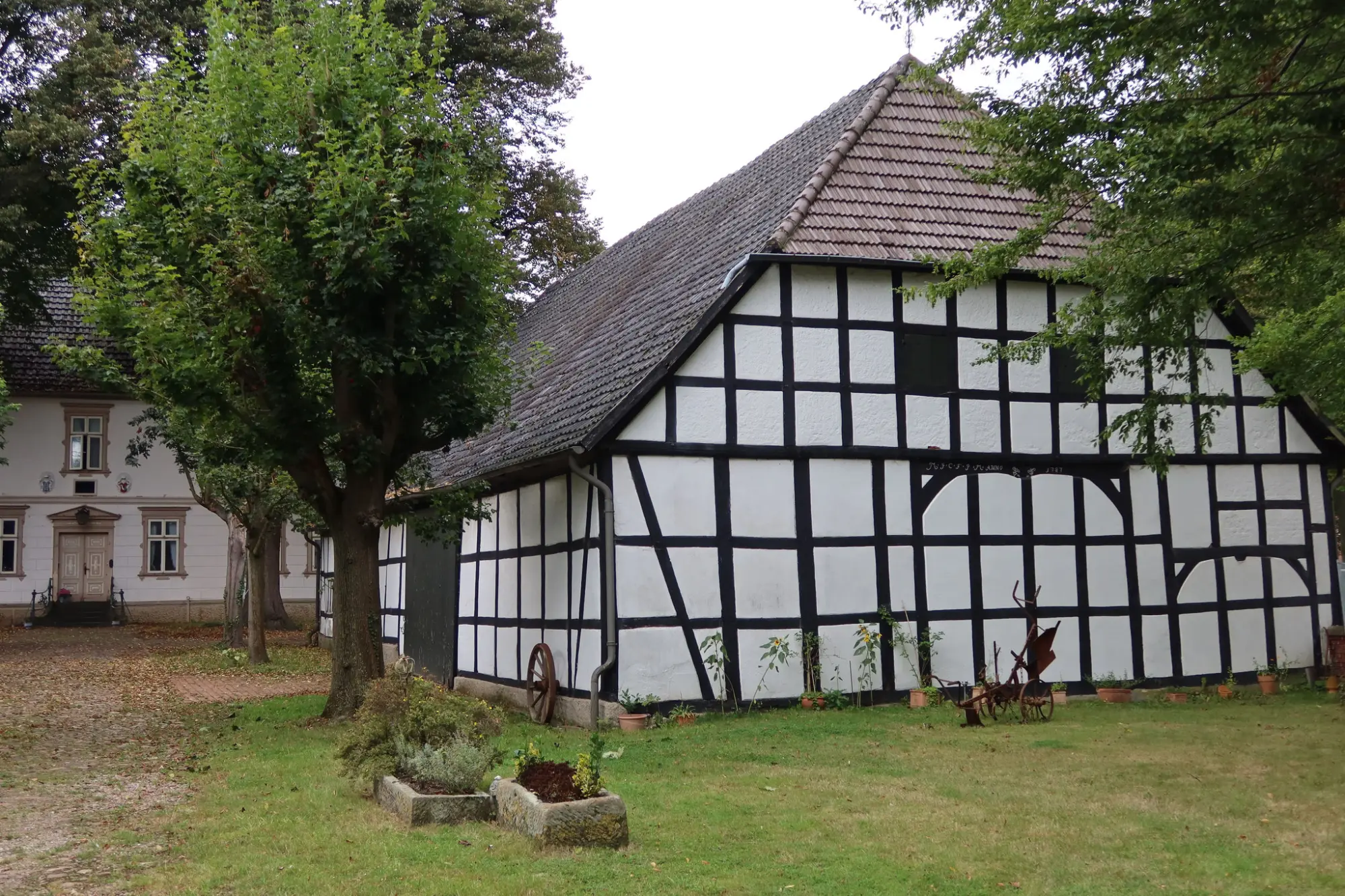
While the details of this medieval lineage are not fully known, the family's presence in Westphalia is firmly established in the parish of Hille in the county of Ravensberg[[17]], where they held the estate Pohlmannsche Hof (later Meyerhof).[[18]][[19]] The family was also connected to the nearby Hofgut von Oeynhausen (later Reimlers Hof) through the marriage of Susanne Pohlmann (1644–1728) to Colonel Johann Ernst Heinrich von Oeynhausen. In 1728, the estate passed into the Pohlmann line through Christian Friedrich Pohlmann.[[20]]
"I live for you, Christ, I’ll die for you." — Inscription on the 1622 memorial plaque in Hille, Westphalia.
The family's original arms – an arm holding a ring[[21]] – are documented on the estate's gatehouse, which was built between 1699 and 1703. The village's Protestant church preserves further physical evidence of the family's long-standing presence. Burials recorded there include Hermann Pohlmann and his son Johan (1619–1622).[[22]] A plaque in the Hille church from 1622 depicts Hermann Pohlmann, his wife, and their deceased son Johann, inscribed: "I live for you, Christ, I’ll die for you." In 1725, Susanne Pohlmann made a significant later contribution to the parish by donating the church's altar, which is adorned with both her and her husband's family crests.[[23]]
Origins
The first archival record of the name (Johann Polemann) in Westphalia.
Purchase of Pigant
Jürgen Polman purchases the Pigant estate, establishing the family in the Baltics.
Swedish Nobility
Queen Christina issues the Sköldebrev, formally introducing the family into the Swedish House of Nobility.
Battle of Poltava
The Battle of Poltava and the surrender at Perevolochna; the family enters Siberian captivity.
Estonian Knighthood
The family is matriculated into the Estonian Knighthood under no. 112.
Påhlmans Handelsinstitut
The brothers Otto and John Magnus found the Påhlmans Handelsinstitut in Stockholm.
Shield Letter
The original shiled letter (Sköldebrev) signed by Queen Christina is donated to Riddarhuset.
Dispersal into Livonia and the Baltics (16th century)
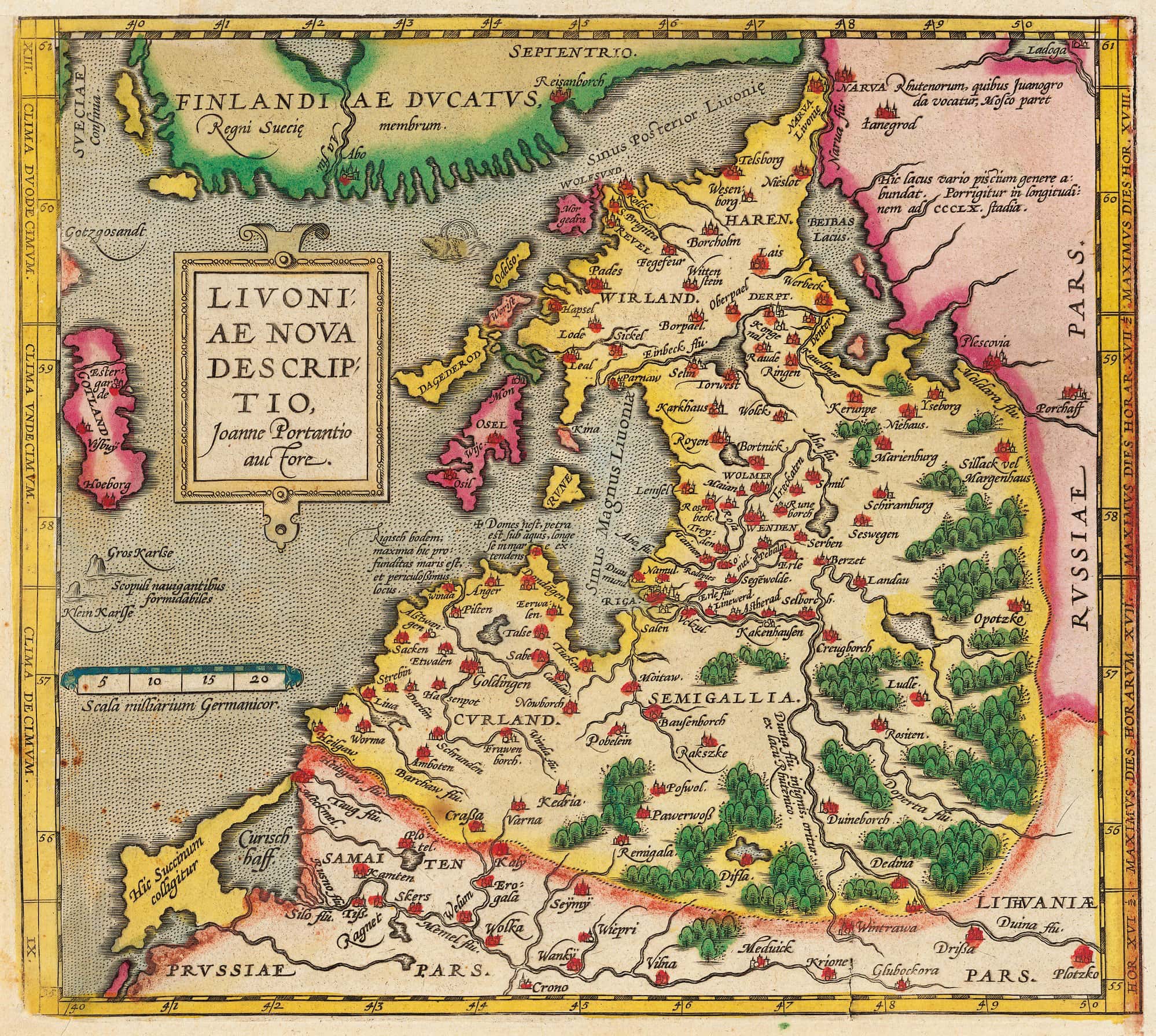
From Westphalia, members of the family appear in Poland and later in Livonia.[[24]] Branches of the family were part of the nobility of the Polish-Lithuanian Commonwealth, and this Polish branch was said to be counted among the noble families of Livonia[[25]][[26]][[27]]. By the mid-to-late 16th century, records from the Estländisches Ritterarchiv (Estonian Knight Archive) document the family simultaneous presence across the Baltics.
Presence in Duchy of Courland
In the Duchy of Courland, the family held early prominence in the Kandau (now Kandava, Latvia) district.[[28]] As early as 1567, Anton (Anthonius) Poldemann served as a district clerk.[[29]] His high standing with the local nobility is reflected in a decree dated 17 January of that year, where Duke Gotthard von Kettler described him as his "old servant" and granted him permission to manage his own estates:
"...[described as] his 'old servant,' whose request he 'did not wish to refuse' to be allowed to sell the plots of land and houses granted to him in the municipal area of Kandau, together with the associated fields and estates."[[30]]
— "Geschlechtsbuch der Familie von Pohlmann", National Archives of Estonia
Anton’s family included his father, Heinrich, and his brothers Gotthard, Hermann, and Heinrich, the latter of whom moved to Dorpat around 1579 with Colonel Barthold von Buttlar.[[31]] The family's presence in the region continued into the seventeenth century; records note a "Captain Pohlmann" in 1624, though his exact identity remains unclear. That same year, a distinct coat of arms featuring three acorns was associated with a "Jürgen Pollmann" in Courland.[[32]]
Presence in Riga
The family also established an intellectual and landholding presence in Riga, including Pollmannland near Ascheraden (now Aizkraukle, Latvia) before 1557.[[33]] Around the turn of the century, Hector Polemann served as the city's school rector. In 1591, King Sigismund III confirmed his ownership of the Planup estate in the parish of Allasch. Hector and his wife, Anna Schopmann, were buried together in St. Peter's Church in Riga in 1617.[[34]]
Presence in Reval
Further north in Reval (modern-day Tallinn, Estonia), bearers of the name served as councillors.[[35]][[36]] Hermann Polemann appears as a city councilor between 1558 and 1569, holding enough influence that Grand Master Gotthard Kettler personally intervened in a debt dispute on his behalf in 1560.[[37]] He was followed by Johannes Polmann, who served as a Reval councilor in 1587, while figures like the merchant Constans Polmann (married 1577) anchored the family in the city's commercial life.[[38]]
Genealogical Mystery
Despite this documented presence, the exact genealogical filiation between the Courland clerks, the Riga rector, and the Reval councillors remains unresolved. As notes from the Estonian Knighthood concede, whether these early figures "were members of one and the same lineage, cannot be decided at this time due to a lack of records."[[39]] Furthermore, the exact relationship between contemporary late-16th-century figures – such as Wilhelm Polmann, who sided with the Swedes during the Livonian War, and Jürgen I Pohlmann, who was enfeoffed with the Pigant estate in 1600 – remains unconfirmed.[[40]][[41]]
The earliest confirmed patriarch is Hans Polman, a county clerk (Swedish: amtskrivare) in Padis, St. Matthias parish in 1603.[[42]][[43]] His son, Jürgen Polman the Elder (d. c. 1633), entered the service of Duke Karl of Södermanland in 1600, aligning the family with the Swedish Crown, a connection that later led to its introduction into the nobility. His sons, Jöran Polman the Younger (d. c. 1647) and Claus Pohlmann (d. c. 1696), became the respective progenitors of the Swedish "Påhlman" and Estonian "von Pohlmann" branches.
The Legend of the Twelve Brothers
While legend describes a single generation of twelve brothers dispersing from Westphalia, the historical record reveals a gradual migration of "old servants," educators, and mercenaries scattered by early modern conflict. When the family's Swedish branch sought ennoblement in the 17th century, they could not produce the documents to prove their ancient origins. This investigation examines how they navigated that gap, and what the surviving records actually show.
Swedish Branch
17th centuryOrigins of service to the Crown (c. 1600–1633)
The Swedish branch traces its lineage to Jürgen Polman the Elder (d. c. 1633), a Baltic German nobleman who laid the foundation for the family's centuries-long service to the Swedish Crown. In 1598, Jürgen purchased the "knight manor" Piigandi (Pigant) in the Kannapäh parish of Estonia from a Polish nobleman, Stanislaus Malisowsky, for 6,000 florins.[[44]] Following the Swedish conquest of the region, Jürgen switched allegiance, entering the service of Duke Karl of Södermanland (the future King Charles IX) on 20 November 1600.[[45]] In exchange for a sum of money he advanced to the Duke, his ownership of Pigant was formally confirmed by the Crown.[[46]] However, despite this royal confirmation, the estate became the center of a decades-long legal struggle after being seized by rival claimants. By 1601, Jürgen was appointed captain (German: Hauptmann) at Anzen in Livonia (now Antsla, Estonia).
Jürgen's direct contribution to the Polish-Swedish War (1600–1611) is documented in correspondence from Duke Karl, who expressed his approval of Jürgen's success in enlisting over one hundred farmers for the war effort.[[47]] However, his service came at a ruinous financial cost. Records detail that Jürgen lost over 5,000 Reichsthaler in equipment and horses, and was forced to pay high ransoms after being captured in skirmishes near Üxküll (1604) and the Aiviekste river.[[48]]
"If I, against all hope, should not be freed any time soon, it will cause great loathing among many righteous people who will think twice to risk their life and limb again." — Jürgen Polman to his commander, writing from a Polish prison cell in 1603.
After his first capture by Polish forces, Jürgen wrote a strategic appeal for his freedom to his commander, Anders Lennartsson, on 10 August 1603. In the letter, he emphasized the personal toll of his service and issued a potent warning about the consequences of abandoning him:
"I am serving... the Crown of Sweden in my third year, honestly, veraciously, and faithfully, at my own cost with four horses... and have proven my reliability and faithfulness with my property, limb and blood... if I, against all hope, should not be freed any time soon, it will cause great loathing among many righteous people who will think twice to risk their life and limb again."[[49]]
— Jürgen Polman to his commander, Anders Lennartsson in 1603
As a reward for his loyalty, Jürgen was granted multiple fiefs across the Swedish Empire, including villages in Sääksmäki parish in Tavastland from 1604 to 1619.[[50]][[51]] These land grants were often conditional, requiring the holder to fulfill significant military obligations, such as providing horses for the cavalry. In an appeal to the Lord High Chancellor, Axel Oxenstierna, Jürgen protested that a rival cavalry captain had seized half his lands in Sääksmäki based on the false accusation that he had failed his military obligations. Citing his "hardship in prison and long years of service," he demanded that "truth and justice" prevail so that he could secure a modest livelihood for his family in his old age.[[52]] In 1615, the heirs of Jacob von Lunden had the right to transfer ownership of the manor Tuttomäggi to Jürgen.[[53]] His tenure on the property was short-lived, and it was lost by 1630.
In his later years, his status was more firmly established. In 1613 he was appointed governor and commander (Swedish: ståthållare och befallningsman) of Padise Castle.[[54]] In 1624, Jürgen received Oethel manor (Öötla) in St. Peter's parish as a fief.[[55]] His service was formally recognized and permanently rewarded in a royal donation letter issued by King Gustavus Adolphus from the military encampment before Werben on 13 August 1631:
"We, Gustavus Adolphus... out of special, long-lasting, faithful favor and Grace, as well as considering the willing services, Which to Our late dear Lord Father... and also to Us, Our loyal Subject, The Noble and Valiant Jürgen Pohlman, has performed heretofore... [We have] gifted, honored, and granted him, together with his rightful Male Bodily Heirs... The Village Odsell located in Livonia in the District of Weißenstein... to enjoy, to use, to keep and to possess, according to Noble Privileges."[[56]]
— Gustavus Adolphus, 13 August 1631
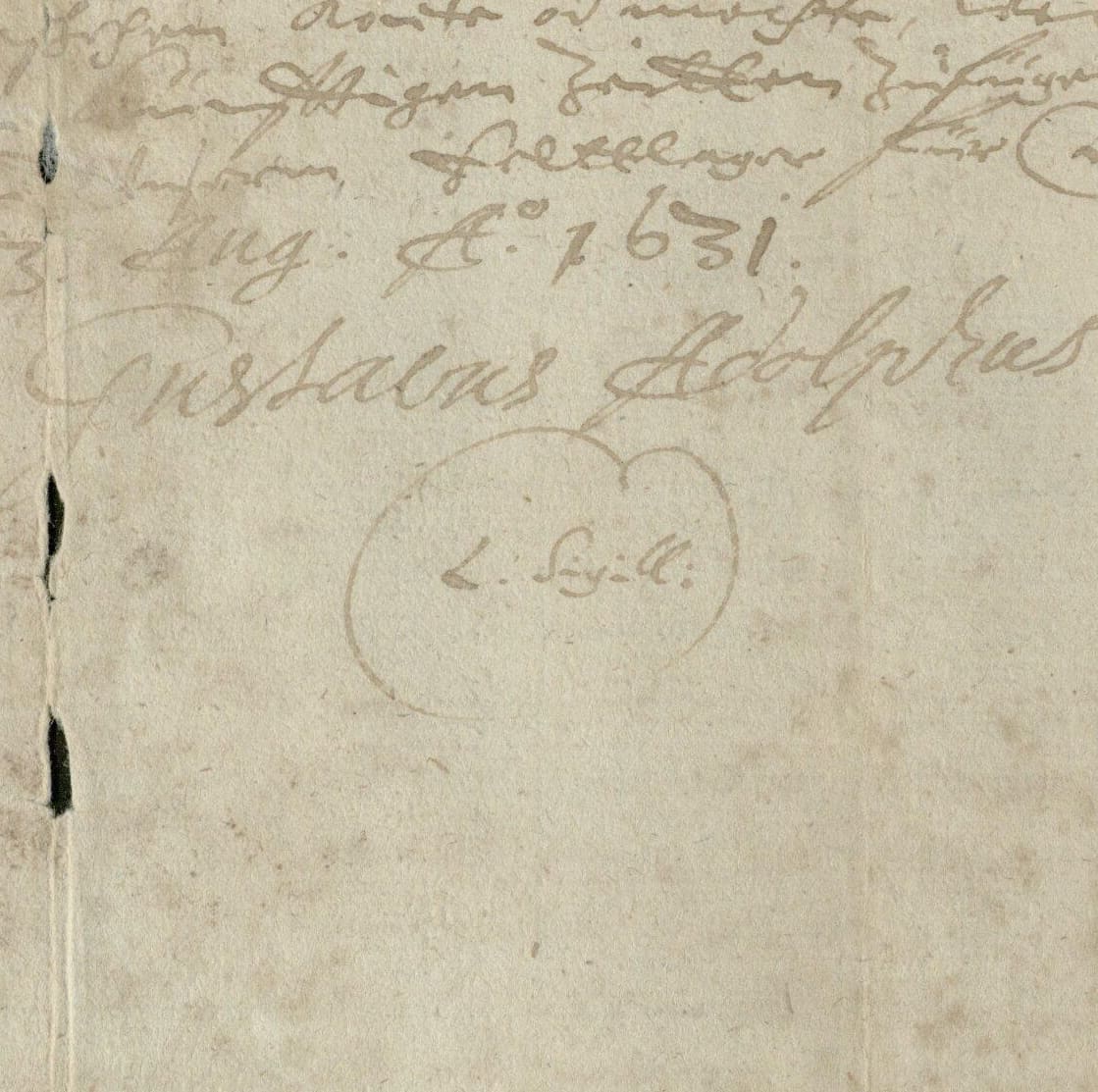 Fig 3a. The personal signature of Gustavus Adolphus, affixed at the camp near Werben.
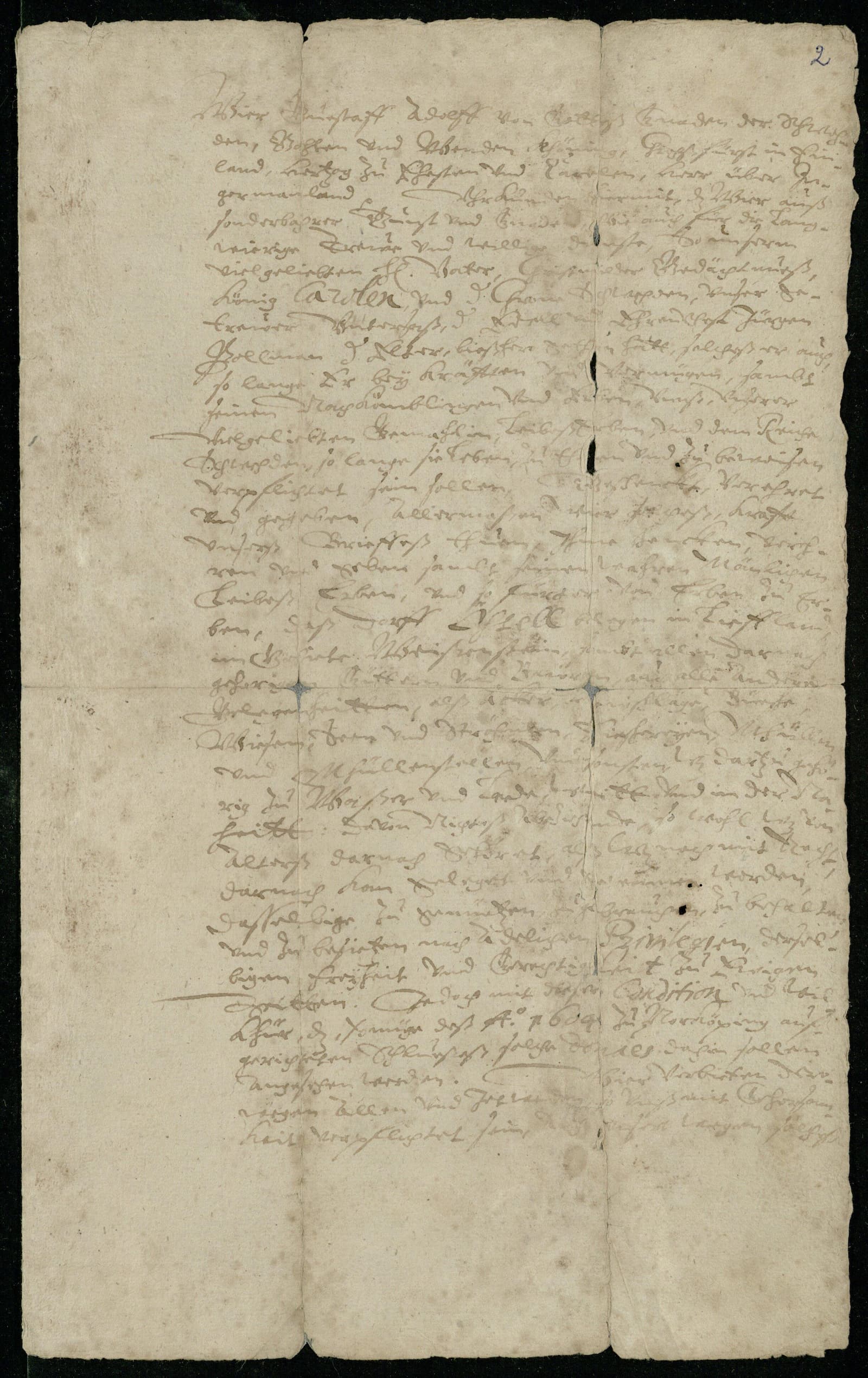
Despite this honor, Jürgen spent his final years embroiled in a lawsuit against Hans Berg to reclaim his purchased estate, Pigant. In 1632, he traveled to Germany to appeal personally to the King, but amidst the "noise of war" (Latin: inter strepitum armorum), he was unable to secure a final signature before the King’s death at Lützen. Jürgen died shortly thereafter, c. 1632–1633, leaving his heirs in "great poverty."[[57]]
In 1641, Queen Christina’s regency government confirmed the family’s ownership of Oethel. The estate passed to his widow, Gertrud von Bremen, and his surviving children: Jöran, Christina, Gertrud, Barbro, Catharina, Clas, Henrich Johan, and Friderich.[[58]]
Jürgen Polman’s Plea for Truth and Justice
In 1628, while serving the Swedish Crown in Finland, Jürgen Polman learned that a rival officer had seized half his lands in Sääksmäki on the grounds that he had failed his military obligations. Jürgen appealed directly to Lord High Chancellor Axel Oxenstierna, citing his years of service, his time as a prisoner of war, and the financial losses he had sustained in the Crown's name. The letter survives in the Swedish National Archives and offers an unusually direct account of how the obligations of noble service were negotiated — and disputed — in the early 17th century.
Establishment in Sweden (17th century)
The family's presence in Sweden was solidified by Jürgen's eldest son, Jöran Polman the Younger (1597 – c. 1647). Even before his military career began, his character was evident: in 1618, he was hauled before a court for instigating a drunken brawl and fined 40 marks. Following his father's military steps, Jöran advanced through the ranks of the Swedish army, serving as a captain in the Kronoberg Regiment from 1623, as Quartermaster (Swedish: överkvartermästare) in 1629, and ultimately reaching the rank of Major.[[59]] Jöran served under Field Marshal Herman Wrangel and was among the officers who captured the fortress of Riga in 1621,[[60]] ensuring Swedish control over the Baltic. He also attempted to secure ownership of Tuttomäggi Manor, though his request for a new letter of ownership was denied.[[61]]
Around 1623 he married Christina Lilliesparre[[62]], whose family had held the manor Ugglansryd in Ryssby, Småland since at least 1595. The manor thus passed into the Polman family through this marriage, and remained there for 175 years.[[63]] In October 1624, King Gustavus Adolphus granted him the manor of Prästeboda and several farms, which Jöran then incorporated as a barn estate under his main manor, Kvänjarp Södregård.[[64]] The family held this for half a century before it was reclaimed by the Crown in 1683, likely as part of the Great Reduction. In 1635, Jöran sold his noble properties and departed the kingdom, never to return — the circumstances of his final years remain unclear, though his body was eventually repatriated and buried in the Ryssby church sacristy.
Jöran's sons, the cavalry masters (Swedish: ryttmästare) Johan (d. 1693) and Gustaf (d. 1695) Polman, continued in military service during the latter stages of the Thirty Years' War – Gustaf serving as a cavalryman under the Scottish-born general Robert Douglas, and later seeing action at the Battle of Fyen in 1659, where he was taken prisoner. Johan, meanwhile, rose through the Småland Cavalry Regiment, and through his marriage to Margareta Silfversparre further extended the family's connections among the Swedish nobility. Following the war, the brothers petitioned Queen Christina to have their ancient noble lineage from Westphalia formally recognized and to be matriculated into the Swedish House of Nobility.
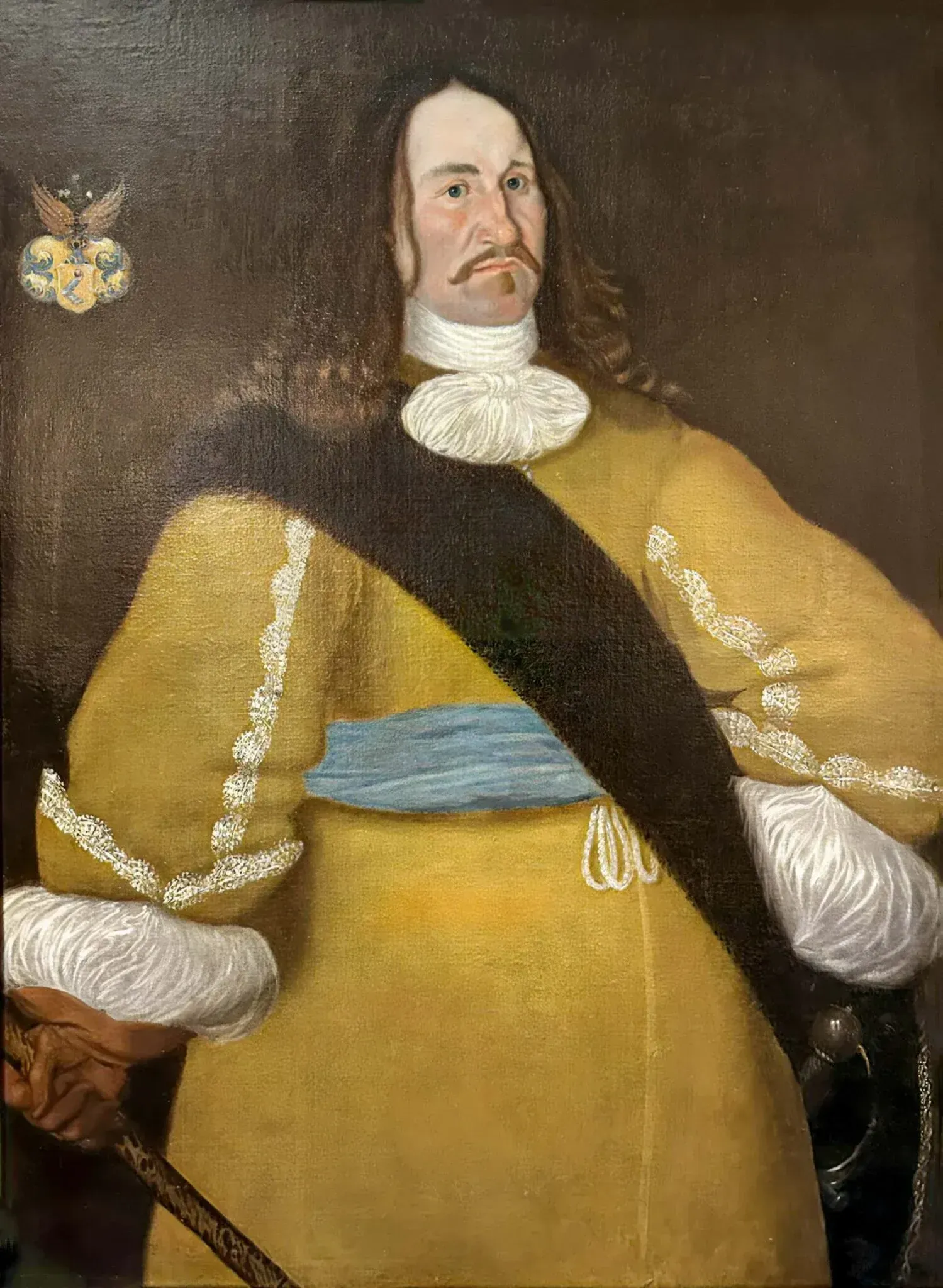
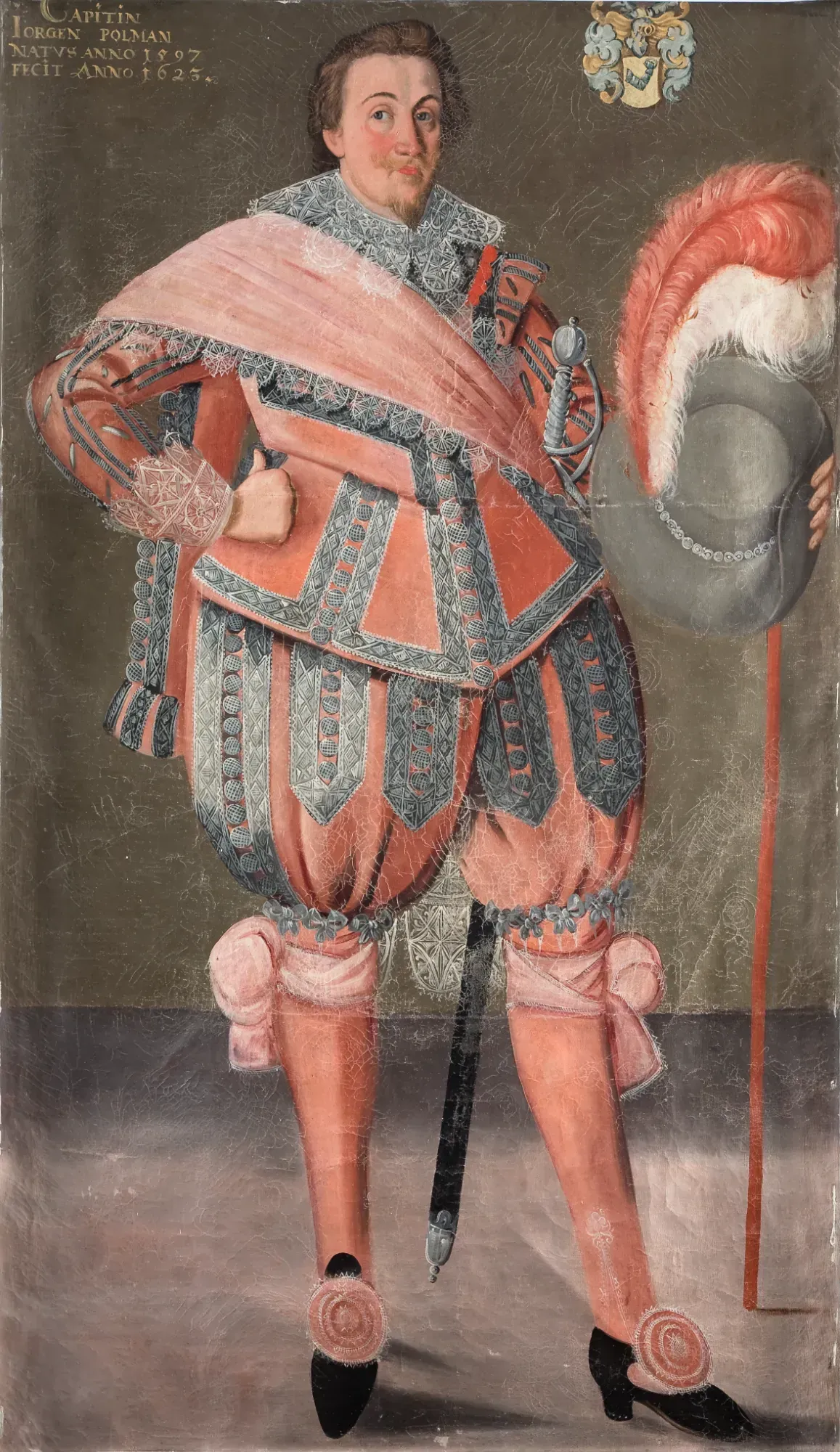
Fig. 4 - Göran Pålman the Elder (ca. 1576–1641), undated, oil on canvas. Image by Militärhögskolan Karlberg/Polmanarkivet (CC BY 4.0). Fig. 5 - Georg Günther Kräill (1584–1641), Jörgen Pålman, f. 1597, kapten, 1623, tempera on canvas. Image by Skoklosters slott/SHM (CC BY 4.0).
Although the brothers' documentation was deemed insufficient to prove their ancient claim,[[65]] Queen Christina ennobled them on 16 September 1650. She issued a letter of nobility (Swedish: sköldebrev) rewarding their family's "faithful and good services" in the absence of absolute proof:
Therefore, although they themselves assert that they have their origins from a noble lineage out of Westphalia and that their ancestors have always been respected and regarded as noblemen... nevertheless, as such proof has, through the difficulties of the times and the great changes that have occurred in those regions, mostly perished and become obscured, the faithful and good services that Johan and Gustaf Påhlman's father and grandfather have proven to the Swedish Crown are not unknown to Us.[[66]]
— Excerpt from Sköldebrev, dated 16 September 1650
Upon their introduction into the House of Nobility, they adopted the surname Påhlman and were registered under no. 501. Two years later, in 1652, Queen Christina issued a personal declaration that their sister, Anna Christina, was to be included in her brothers' noble status.[[67]] The ennoblement secured the family’s position within the Swedish aristocracy.
The Påhlman family tomb at Ryssby
The family's elevated status was most visible in the original medieval church in Ryssby, a stone structure likely built in the 12th century.[[68]] Inside the old church were the coats of arms of the noble Påhlman and Netherwood families,[[69]] an example of their status in the parish. The old church also contained two walled tombs, one belonging to the owner of Stensnäs manor, and the other to the Påhlman family.[[70]] Many generations of family members were entombed here, including Jöran Polman the Younger – who died overseas and whose body was brought back for burial[[71]] – and his sons, the brothers Johan and Gustaf Polman.
Between 1840 and 1844,[[72]][[73]] a new, larger church was constructed on an adjacent site to replace the medieval one. Upon its completion, the old church was demolished,[[74]][[75]] with some of its stone being reused in the new building's foundation.[[76]] During this process, the Påhlman family tomb was either destroyed or moved, and its present location is unknown. While the original tomb is lost, the family's historical connection to the parish remains visible. A copy of Jöran Polman's 1623 portrait – originally commissioned by Field Marshal Herman Wrangel – is displayed inside the current Ryssby Church as a reminder of the family's legacy.
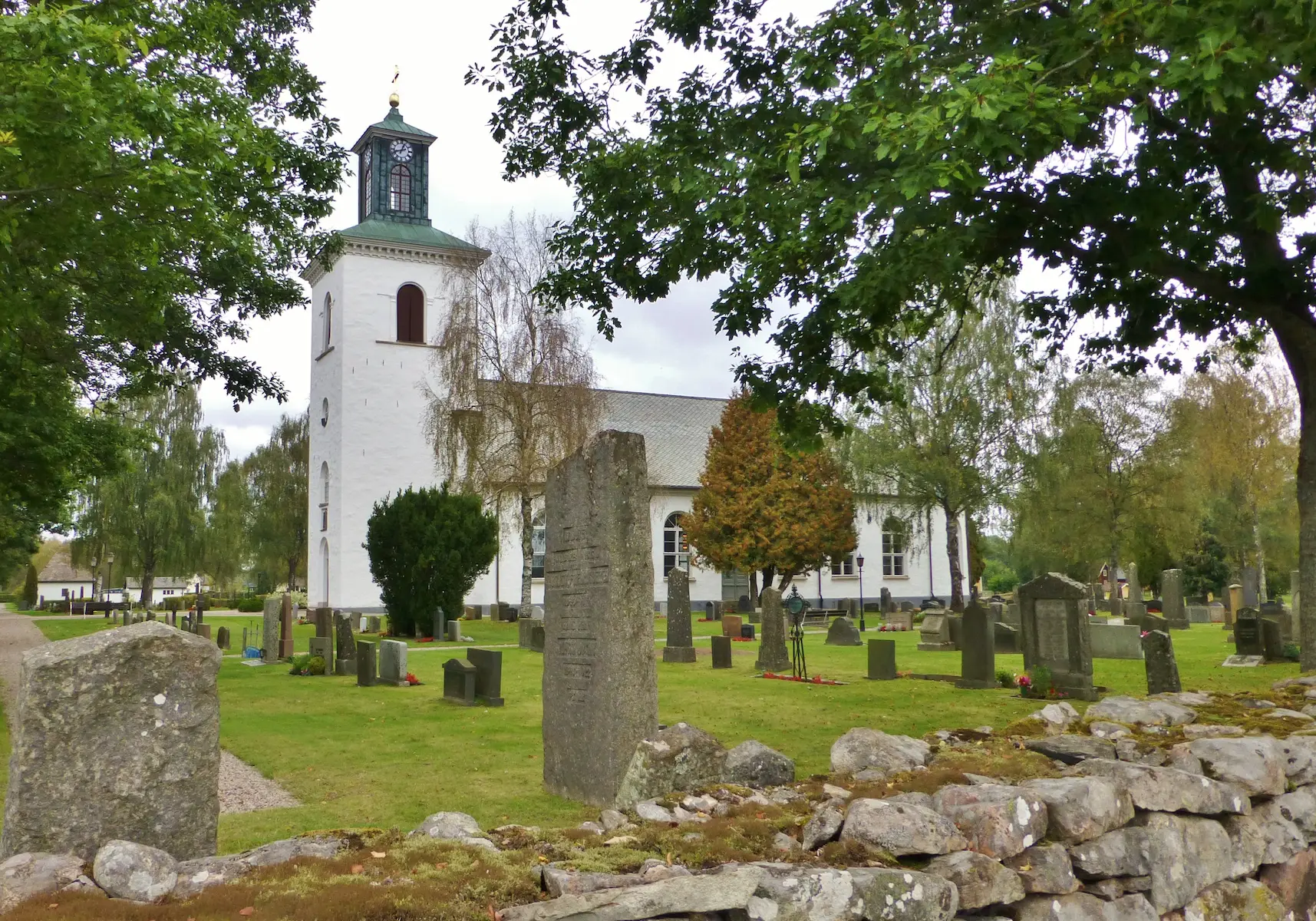
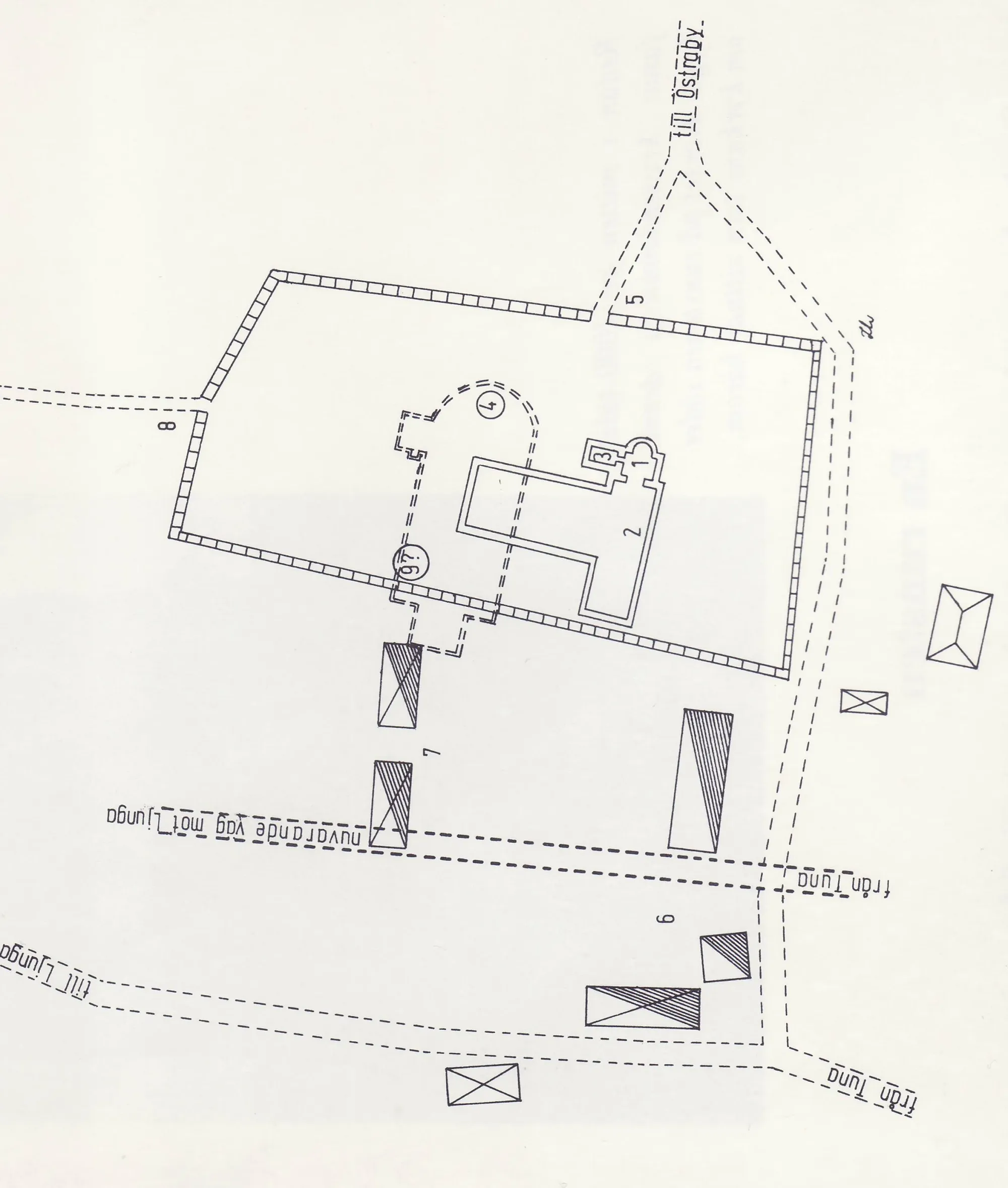
Fig. 7 - Left: The current Ryssby Church, built 1840–1844 adjacent to the original site. Photo by Bernt Fransson, Lindås. Fig. 8 - A plan of the medieval church overlaid with the modern footprint. Marker #3 identifies the Påhlman family tomb situated within the old sacristy, where Jöran Polman was buried.
Landholding and the Great Reduction (late 17th century)
In the decades following ennoblement, the Swedish branch reached the height of its material prosperity. Johan Påhlman accumulated holdings across at least ten properties in the Sunnerbo district, including Ugglansryd, Väraboda, Läsaryd, Finnhult, Arshuvud, Tuna Mårtensgård, and Sunnerå.[[77]] This made him one of the more significant landholders among the lesser nobility in the region. Among his properties were Kvänjarp Södregård and Prästeboda — the same estates that King Gustavus Adolphus had granted to his father Jöran, and which had passed out of the family when he sold them and departed Sweden in 1635. Under Johan, they had found their way back.
However, this prosperous time coincided with one of the most consequential policies in Swedish history. Beginning in 1680, King Charles XI initiated the Great Reduction, a systematic reclamation of estates previously granted by the Crown.
Kvänjarp Södregård and Prästeboda were among the properties returned to the Crown in the years that followed[[78]] - lost to the family a second time. By 1682, Ugglansryd itself had partially burned, requiring Johan to petition the court for timber to carry out repairs.[[79]] In 1689, he pawned Väraboda to raise funds.[[80]] That same year, he and Margareta took the precaution of securing their daughter Catharina's inheritance by formal testament, anticipating that her marriage to a man outside the nobility might expose her share to challenge:
"Whereas it has pleased the all-ruling God... through an honorable and Christian marriage... with our Dear Beloved daughter Noble and well-born Chatarina Pahlman... But as the same our Dear son-in-law is no nobleman, wherefore he fears that some of our children after our demise should his Dear wife's inheritance share cut off and deny... I Johan Påhlman, together with my Dear wife Margreta Silfwersparre... Testament after our death."[[81]]
— Johan Påhlman and Margareta Silfversparre, testament dated Ugglansryd, 20 May 1689
Johan died in 1693, leaving Ugglansryd and the remaining estates to his widow.[[82]] When the reduction commission turned its attention to Ugglansryd in 1707, Margareta petitioned to retain it, arguing as a widow that the estate's revenues were her sole means of support. Her petition, addressed to the commission, survives in the archive:
"For that reason I never think, nor would I suppose, that any just teacher could permit that I and the poor people in such a case could be obliged to such an indemnity. God, who is mighty, may move their High Excellencies and the Royal Commission to help me, a poor widow, to be somewhat maintained in that which can be proved just and reasonable, of which I do not doubt, which God will also reward."[[83]]
— Margareta Silfversparre, petition to the Royal Commission, 1707
The petition succeeded. Ugglansryd remained in the family for nearly another century.
The Flight of Jöran Polman
The official record describes Jöran Polman as a Major who served with distinction before dying overseas. Court documents from 1635 tell a more complicated story. That year, Jöran sold noble lands — including properties granted by the King — and departed Sweden permanently. Among the documents is evidence of a lägersmål, a sexual misconduct proceeding, and the subsequent sale of his wife's morning gift to cover the costs. His widow remained in Sweden to manage the legal and financial consequences. This investigation examines what the court records reveal about his final years, and how the family's legacy was reconstructed in his absence.
Service in the Carolean Era (18th century)
A generation later, the family's legacy of military service continued into the Carolean era, during the Great Northern War (1700–1721) and the campaigns of King Charles XII.[[80]][[81]] Two brothers, Göran Påhlman (1670–1724) and Carl Gustaf Påhlman (1679–1757), had notable military careers during this period. Both served as officers in the Kronoberg Regiment.[[84]][[85]] Carl Gustaf advanced rapidly amid constant warfare; he was promoted eight times between 1698 and 1708,[[86]] rising from corporal to premier captain.
He participated in major engagements across Europe, including the attack at Rensbek in Holstein (1700), clashes at Vladislava and Petrovien in Poland (1703–1704), and the decisive Battle of Fraustadt in 1706. At Fraustadt, he and his brother Göran served together as officers in the Kronoberg Regiment. In his 2008 book Fraustadt 1706: Ett fält färgat rött, historian Oskar Sjöström describes the personal stakes for the soldiers during the battle:
"For the soldiers, much was at stake. A minute or two longer under fire could have disastrous consequences. The risk of being hit and being either killed or maimed increased the longer the enemy took. Many also had sons, brothers and fathers somewhere in the army to worry about. […] Among the crown guards were the brothers Göran and Carl Gustaf Påhlman, captain and lieutenant respectively."[[87]]
— Oskar Sjöström, Ett fält färgat rött 2008
During the battle, Carl Gustaf was severely wounded by two shots described as 'mortal', but survived.[[88]] He was wounded again during the storming of Veprik in Ukraine in 1709, shortly before the events at Poltava.[[89]]
"All the distinctions which fortune makes between men were then banished, the officer who had no handicraft was forced to cut and carry wood for the soldier..." — Voltaire, History of Charles XII, describing the Siberian captivity of the Swedish officers.
The turning point for both brothers came after the Swedish defeat at the Battle of Poltava in 1709.[[90]] They were among the thousands of soldiers of the main Swedish army, known as the Karoliner, who were forced to surrender at Perevolochna. Captured by Russian forces, they were sent into a long period of captivity in Tobolsk, Siberia.[[91]] For fourteen years (1709–1723), they endured exile along with a large portion of the Swedish officer corps. During their captivity, the prisoners formed a society, using their diverse skills in areas like engineering, teaching, and crafts to survive. The philosopher Voltaire later observed this shift in social roles among the prisoners in his History of Charles XII, King of Sweden:
"These poor wretches were dispersed throughout the Czar’s dominions, and particularly in Siberia […] All the distinctions which fortune makes between men were then banished, the officer who had no handicraft was forced to cut and carry wood for the soldier, who had now turned tailor, draper, joiner, mason, or smith, and got a livelihood by his labor."[[92]]
— Voltaire, History of Charles XII
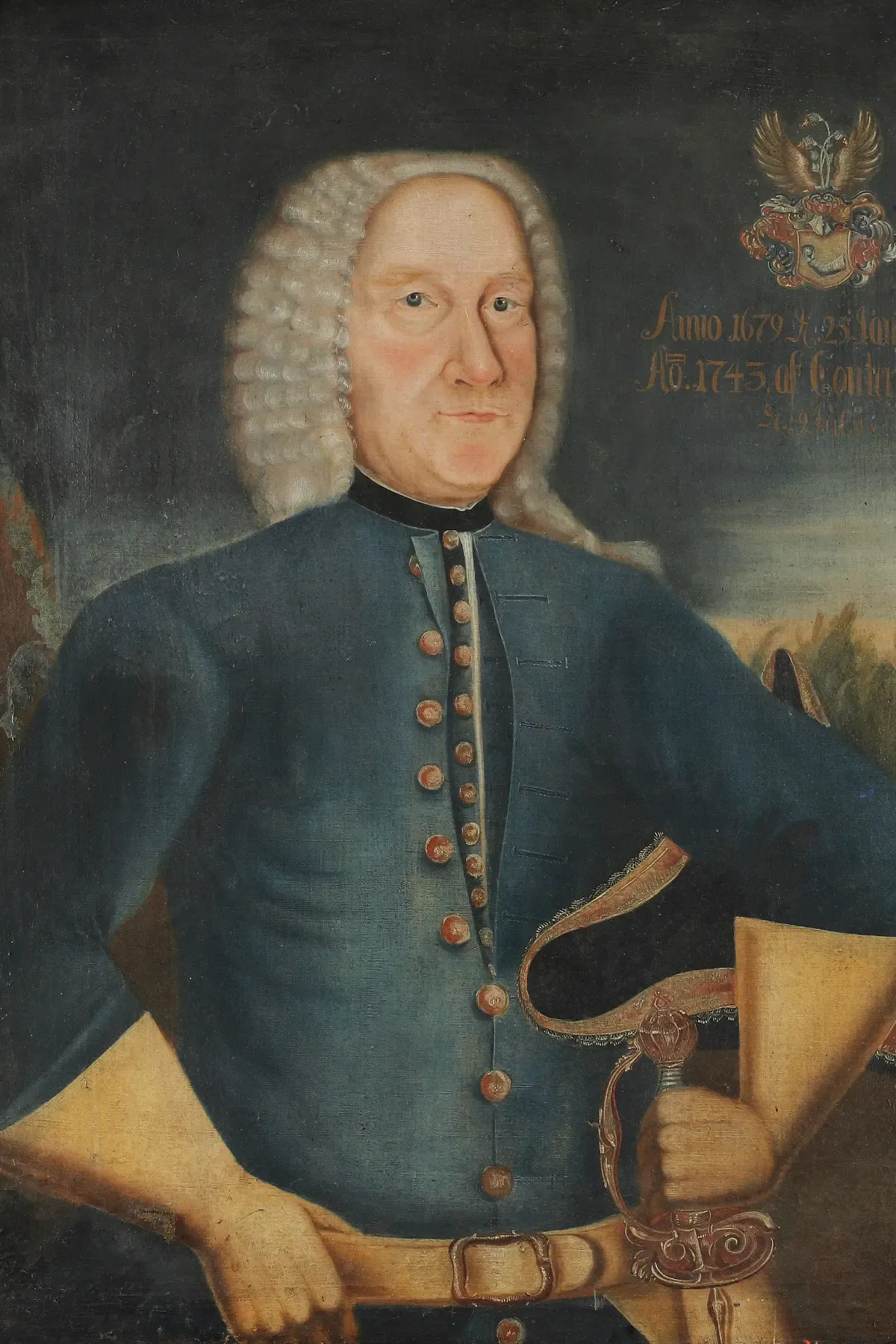
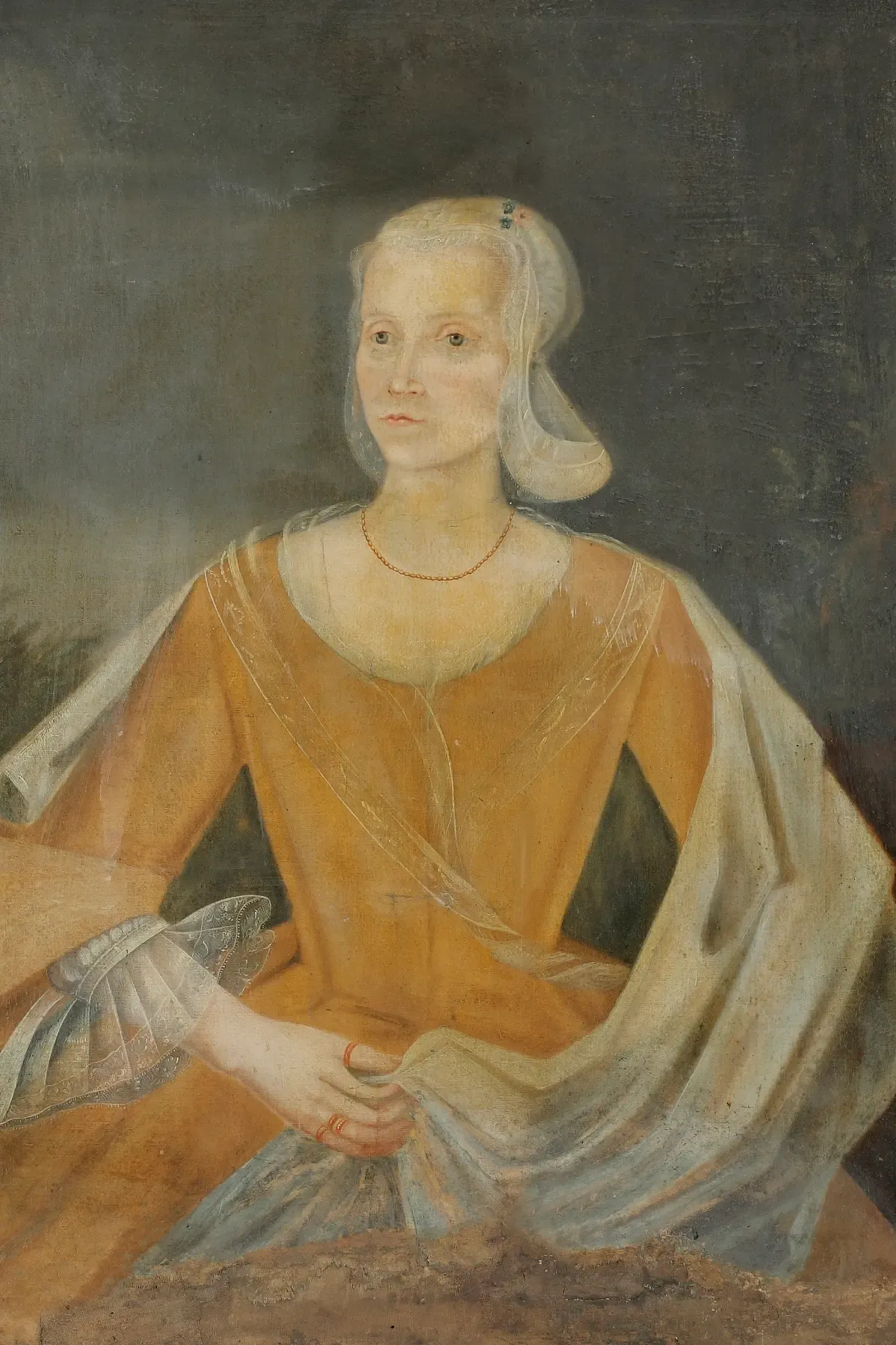
Fig. 9 - Carl Gustaf Påhlman (1679–1757), 1743, oil on canvas. Image by Kulturparken Småland (CC BY 4.0). Fig. 10 - Christina Elisabet Renner (1712–1769), 1743, oil on canvas. Image by Kulturparken Småland (CC BY 4.0).
Göran Påhlman died in 1724, shortly after his return to Sweden.[[93]] Carl Gustaf returned with the rank of Major in 1723 and settled at the family estate of Ugglansryd.[[94]] He resigned from active service but was granted the honorary title of Lieutenant Colonel (Swedish: överstelöjtnant) in 1740.[[95]] At age 51, he married Christina Elisabet Renner (1712–1769) and raised a new generation of the family.[[96]]
The family's status was further confirmed in 1778 during the reign of Gustav III. As part of a reform of the Swedish House of Nobility, the Knight Class was expanded. The Påhlman family was elevated from the Class of Esquires into this restored Knight Class, and was included among the 300 oldest families from their former class to receive the honor.[[97]][[98]] The family continued through Carl Gustaf's sons, Anders Otto (1740–1815), Johan Magnus (1741–1797), and Adolf Fredrik (1743–1825), who became the respective progenitors of the family's surviving branches.[[99]]
Johan Magnus followed the family's military tradition into the Seven Years' War, serving in the Pomeranian theatre, where he was captured at Anklam in 1759 and managed to escape. He was awarded the Royal Order of the Sword in 1779 for bravery and long service. His son Otto Fredrik, born at Ugglansryd in 1785, would go on to become one of the family's most consequential figures in Swedish civic life – the same Otto Fredrik who later served as adjutant to Crown Prince Karl Johan and emerged as a defender of Jewish civil rights in the Riksdag of 1815.
Adolf Fredrik, the youngest of the three brothers, volunteered in the Kronoberg regiment at the age of thirteen and rose to become one of the more decorated officers of his generation. During the Finnish War of 1788–1790, he commanded the Kronoberg battalion at the Battle of Valkeala – and fought under King Gustav III himself – where he sustained a wound from enemy fire while leading the advance. For his service, he was presented with a sword by the King. He resigned his commission in 1796 and died in Lidköping in 1825.
The Norwegian and American diaspora (19th–20th centuries)
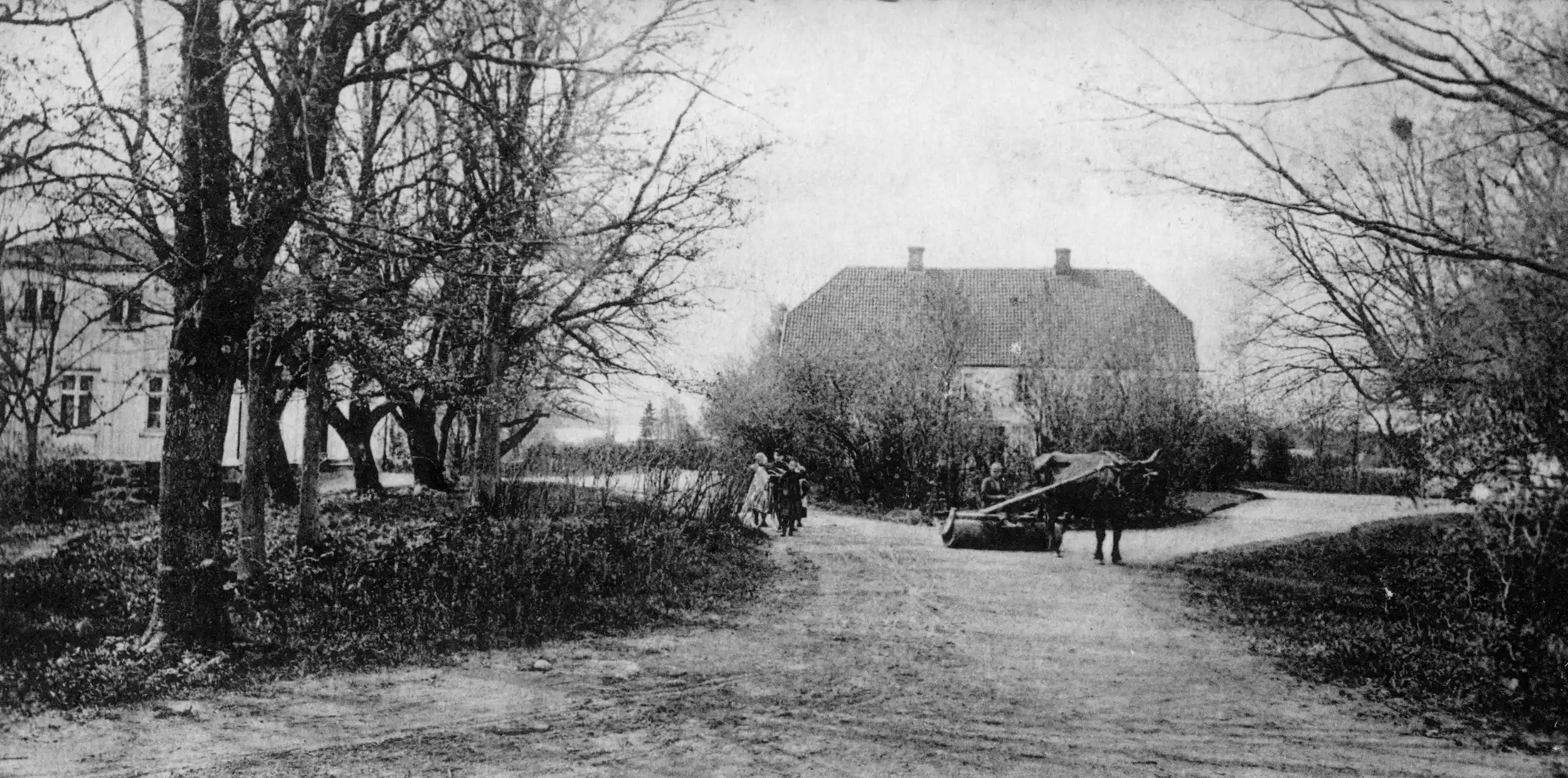
Anders Otto served in Småland's cavalry regiment, retiring in 1772 as cavalry master due to illness – the same year he inherited Ugglansryd from his father. In 1783, he expanded the manor substantially, adding a new corps de logis overlooking Lake Stensjön. Anders Otto had eight children with his wife, Christina Margareta Unge, before she died in 1784 at the age of 27. Evidence points to a second line of descent originating from him. Between 1791 and 1802, Anders Otto fathered six additional children with Stina Jönsdotter, a maid who lived at the cottage Metaretorpet on the estate premises. While these children were excluded from official noble genealogies, archival records reveal that Anders Otto financially supported their upbringing until they came of age.[[100]]
His support was notable given the severe legal and social stigma attached to unwed mothers at the time. Under both state and ecclesiastical law, the burden fell heavily on women in Stina's position:
"In the eyes of the Swedish Protestant church the mother of an illegitimate child was not 'pure' and could not take part in normal religious activities. According to the church law of 1686 she had to be purified. Initially, the purification process was official. The unwed mother had to face the parishioners in the church, admit her sins, and receive forgiveness. [...] Illegitimacy was also a crime according to the State law of 1734. The punishment was usually a fine, which the man—if his guilt could be proven in court—was supposed to pay."[[101]]
— Anders Brändström “Illegitimacy and Lone-Parenthood in XIXth Century Sweden”
Anders Otto sold Ugglansryd in 1798 and moved to Agunnaryd, ending nearly two centuries of the family's connection to the manor. Stina subsequently married a farmhand, and their children entered the working-class trades. The daughters worked "in the service of others." The eldest son became a shoemaker. The second son, Peter (b. 1800), apprenticed as a hatmaker.[[102]]
Between 1819 and 1827, Peter dropped the patronymic Andersson and adopted the surname Cederström. In 1828, he left Sweden for the port city of Stavanger, Norway, drawn by the region's thriving hat-making export industry.[[103]] By the end of the 18th century, hatmaking was one of at least 60 crafts practised in Norway, and hatters were doing well enough to be able to export their creations. Peter married Tobia Thorsdatter Hommeland,[[104]] the daughter of a yacht skipper, at the Stavanger Cathedral in 1830. The couple had nine surviving children.
"He infected half the population in that district with what was called the America fever... It was like a desperate case of homesickness reversed." — Andreas Ueland, Recollections of an Immigrant (1929).
Peter’s son, Frederik Wilhelm Cederstrøm, trained in Stavanger as an iron moulder (Norwegian: jernstøber) and married Lisabeth Jacobsdatter in 1860. During this decade, severe economic hardship and famine triggered mass Scandinavian migration. The emotional force of this exodus was documented by Andreas Ueland in his 1929 memoir Recollections of an Immigrant:
"A farmer from Houston County, Minnesota, returned on a visit the winter of ‘70-’71. He infected half the population in that district with what was called the America fever, and I who was then the most susceptible caught the fever in its most virulent form. No more amusement of any kind, only brooding on how to get away to America. It was like a desperate case of homesickness reversed."[[105]]
— Andreas Ueland, Recollections of an Immigrant 1929
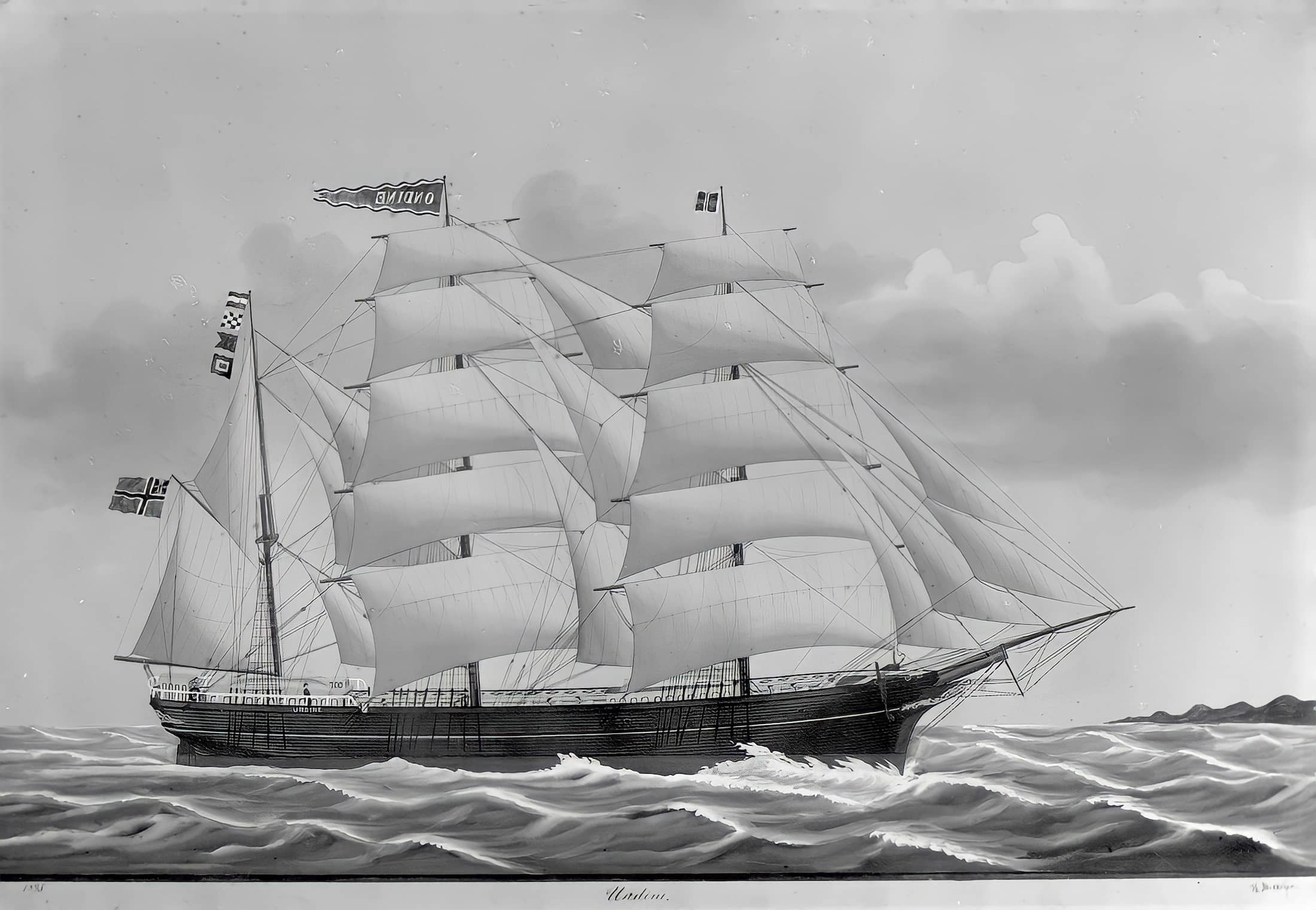
This "fever" also swept through Stavanger. In the 1865 census (Norwegian: folktelling), Lisabeth was recorded alone with her children; the census taker noted her husband "ran away to America." Frederik had gone ahead to scout for work, and Lisabeth and the children eventually followed, making the transatlantic move to Chicago in 1870.
The family spent a decade working long hours[[106]] for meager wages as iron moulders.[[107]] In the 1880s, they sought agricultural opportunities further west. The family bought a farm in Nebraska, naturalized as U.S. citizens, and adopted the anglicized surname to the patronymic "Peterson." By the 1900s, Frederik’s sons Jacob and Bill moved to Twin Falls, Idaho, establishing a multi-generational legacy in American agriculture.
Political and civic influence (19th century)
As Sweden entered a long period of peace after the Napoleonic Wars, the family's influence shifted from the battlefield to the political arena. This transition was largely shaped by the career of Otto Fredrik Påhlman (1785–1822).[[108]][[109]] A graduate of the Royal Military Academy at Karlberg, Otto Fredrik served as an officer in the Finnish War (1808–1809) and the Napoleonic Wars, eventually becoming an adjutant to Crown Prince Karl Johan.[[110]] Alongside his military service, Otto Fredrik became an influential liberal voice in the Riksdag of the Estates, attending every session between 1809 and 1818 and holding key positions, including Director of the House of Nobility and member of the State and Banking Committees.[[111]][[112]]
"You are cheering now, but you are fooling yourself about the future... I and my brother will become his leading favourites." — Count Carl Axel Löwenhielm’s warning to the liberal Otto Fredrik Påhlman, 1810.
Otto Fredrik's liberal political leanings were evident early in his career. During the pivotal 1810 Riksdag that elected Bernadotte as Crown Prince, Count Carl Axel Löwenhielm recalled an exchange with Otto Fredrik, describing him as an "enthusiastic liberal nobleman" who "anticipated a social transformation in the republican spirit".[[113]] Löwenhielm recounted his warning to Otto Fredrik:
You are cheering now, but you are fooling yourself about the future, it won't be you and your party that will acquire any intimacy with Bernadotte...whereas I and my brother, who are against this choice, will become his leading favourites. [...] What I said then, came completely true…[[114]]
— Carl Axel Löwenhielm in his memoirs
Otto Fredrik is particularly noted for his role during the Riksdag of 1815, where he emerged as a powerful defender of Jewish civil rights in Sweden.[[115]] In the economic crisis following the Napoleonic Wars, anti-Jewish sentiment was high, with calls from the burgher estate for immigration bans and even deportation.[[116]] Otto Fredrik publicly countered these demands, arguing that the accusations against the Jewish community were false and motivated by "competitive envy." In a widely circulated memorial, he asserted that the restrictive 'Jewish Regulations' (Swedish: Judereglementet) should be abolished, granting Jewish people full civil rights and the freedom to choose their occupation, which he argued would ultimately benefit the nation.[[117]]
His outspoken defense provoked a political backlash, particularly from the burgher estate, and sparked a heated public debate in newspapers and pamphlets.[[118]] The controversy drew the attention of the Crown Prince, who was initially unaware of his adjutant's actions. Despite attempts by the bourgeoisie to have him censured by his own estate, Otto Fredrik's arguments helped shift the discourse, and a subsequent special committee acknowledged that the allegations against the Jewish community were largely biased.[[119]]
Shortly before his death, Otto Fredrik was appointed colonel in the army and acting governor of Östergötland County.[[120]][[121]] His high standing was reflected in a contemporary newspaper notice that referred to him as "the king's troman,"[[122]] a man highly trusted by the monarch.
However, his career ended abruptly with his early death. He reportedly died by suicide in Linköping on 8 May 1822, seven months after his marriage. The death in contemporary sources was attributed to the "worries and expenses" caused by the "dilatory business and behaviour" of his brothers.[[123]]
Inheritance of the Ågården estate (19th century)
A separate branch assumed the name Påhlman-Stiernsparre through the inheritance of the Ågården estate. In 1786, the estate was made a fideikommiss by Axel Magnus Stiernsparre, Marshal of the Court. He stipulated that, should the Stiernsparre male line become extinct, any subsequent heir must add the name "Stiernsparre" to their own.[[124]][[125]]
After the extinction of the Stiernsparre male line, the fideikommiss passed through the Silfversparre family. According to the rules of the entailment, the inheritance was initially meant to pass to the eldest daughter, Julie Silfversparre. However, Julie chose to marry a commoner, forfeiting her right to the property. The estate instead passed to her younger sister, Augusta Ulrika Silfversparre (1798–1872),[[126]] who was married to Captain Gustaf Vilhelm Påhlman. Their son, Lars Gustaf Adolf Wilhelm Påhlman-Stiernsparre, became the first of the family to hold the estate under the combined name.
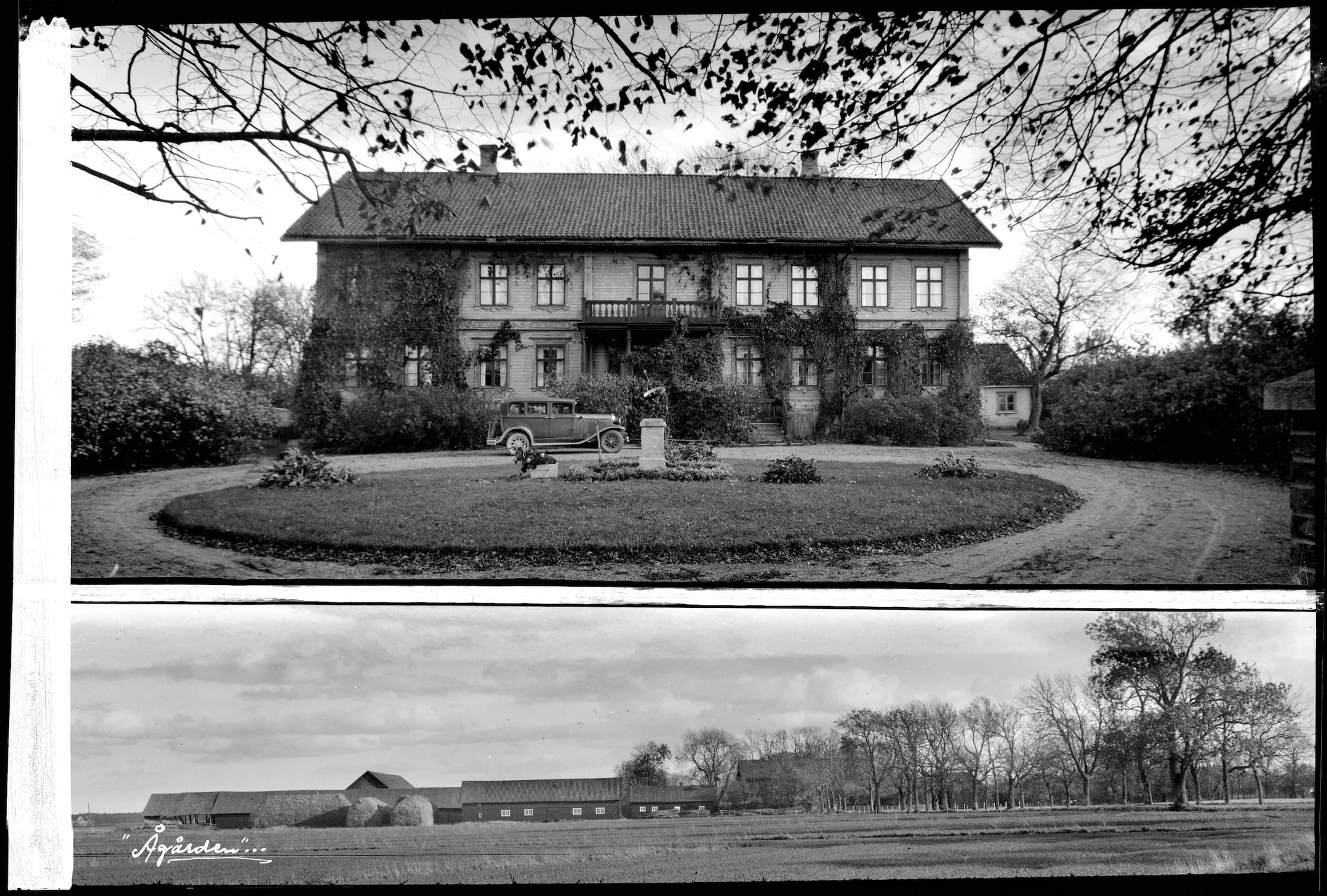
Under the Påhlman-Stiernsparre branch, Ågården functioned not merely as a residence, but as a carefully preserved museum of Swedish and familial antiquities. A mid-20th-century historical inventory of the manor cataloged a vast collection of artifacts, including King Karl XI's bible, a mahogany bed where King Charles XIV John is said to have rested, and a hand-written cookbook containing recipes and practical advice dating back to 1694. The walls of the manor served as a visual testament to the family's proximity to royal power:
"In the stairwell sit ten coats of arms connected to the various families who have resided at Ågården. Here is also a series of old oil paintings with a direct connection to Swedish royal history. Ehrenstrahl's Hedvig Eleonora is a replica of the portrait at Drottningholm; David Beck's portrait of Charles X Gustav is encompassed by a richly carved baroque frame... Opposite, above the open fireplace of Italian marble, hangs a portrait of Jurgen Polman (died around 1640), the ancestor of the family. The painting is a copy of the original at Karlberg Castle."[[127]]
— Slott Och Herresäten I Sverige: Västergötland Dalsland Värmland, 1968.
By preserving these artifacts, the branch ensured that the physical legacy of the family's 17th- and 18th-century prominence remained intact through the turbulence of the modern era. The final owner of the entailed estate was Axel Erik Gabriel Påhlman-Stiernsparre, who died in 1979.[[128]]
The Påhlmans Handelsinstitut (19th–20th centuries)
One of the family's most significant contributions to Swedish civic life emerged in the field of education, beginning with the work of Otto Magnus Påhlman (1811–1873).[[129]] After a military career, he became a writing instructor at the Imperial Cadet School in St. Petersburg. There, he developed a writing method called the Påhlmanska Skrivmetoden.[[130]] The system was based on forming all letters from two simple shapes – a straight line and a semi-oval – which simplified and shortened the time required to learn clear, even handwriting. The system gained influence upon his return to Sweden, and he founded Påhlmans Skrivinstitutet in 1846 to teach his method.[[131]]
"...the unrefined and arbitrary shape of the oval, the unnatural 45-degree sharp slant... and the pervasive tastelessness of the so-called Italian letters." — Fridtjuv Berg, attacking the Påhlman method at the Uppsala Teachers' Meeting, 1883.
In 1881, his sons, Otto Ottosson Påhlman (1853–1915) and John Magnus Påhlman (1860–1945), founded the The Brothers Påhlman's Writing Institute (Swedish: Bröderna Påhlmans skrivinstitut) in Stockholm.[[132]][[133]] They rationalized their father's method, though their disruptive approach faced fierce resistance from the traditional educational establishment. In 1883, Otto Påhlman presented the system at the Public School Teachers' Meeting in Uppsala. He was met with criticism from prominent educator (and future Minister of Education) Fridtjuv Berg, who argued the method was a health hazard that caused spinal curvature.[[134]] Berg also relentlessly critiqued the method's aesthetics, inadvertently documenting its exact mechanics for the historical record:
"...for example, the unrefined and arbitrary shape of the oval, the unnatural 45-degree sharp slant, the double pressure of the strokes, the pervasive tastelessness of the so-called Italian letters, the particularly ugly form of several letters in the capital alphabet, which the speaker just gave us the opportunity to see, for example N, M, V and W, etc."[[135]]
— Joakim Landahl, "Skönhetsfostran," 2012
Despite this resistance, the brothers soon expanded the curriculum beyond calligraphy to include business and accounting. The school was renamed The Påhlman Brothers' Commercial Institute (Swedish: Bröderna Påhlmans Handelsinstitut) and grew. The brothers divided the work; Otto established a successful, state-supported branch in Copenhagen, while John Magnus became the sole owner of the Stockholm school in 1891 and transformed it into a leading center for vocational training.[[136]][[137]]
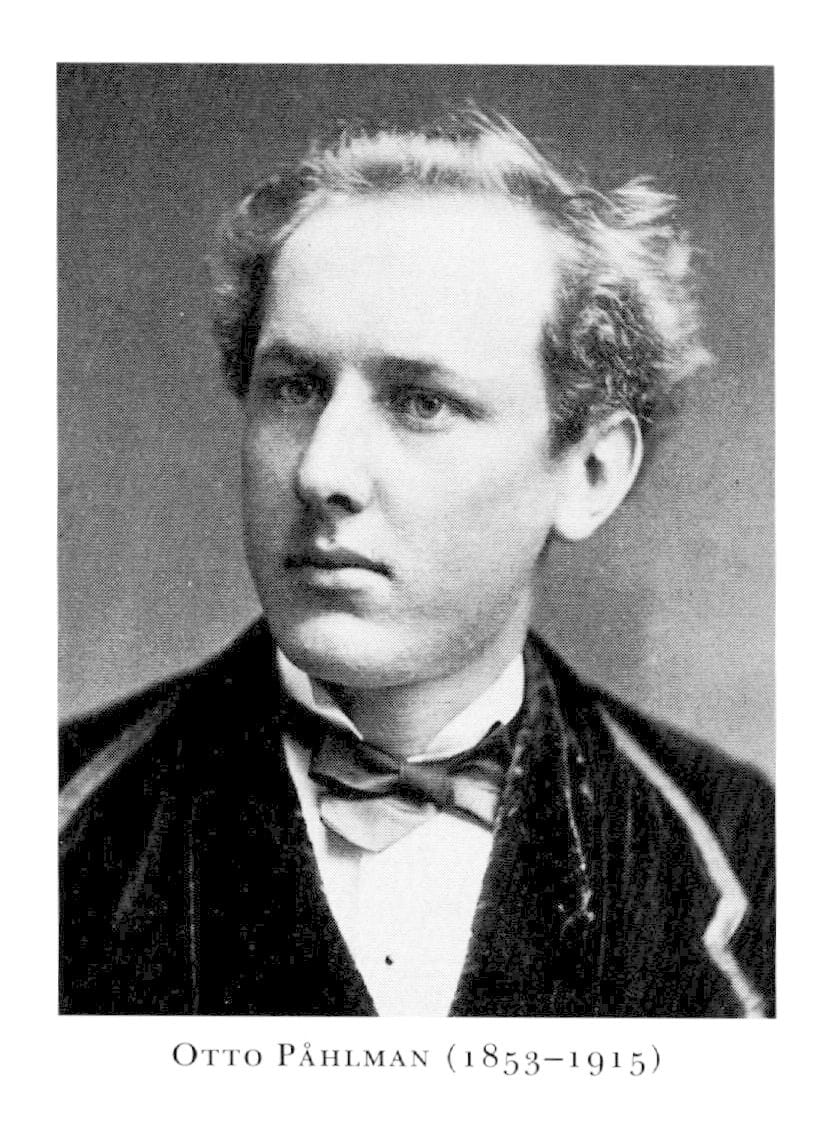
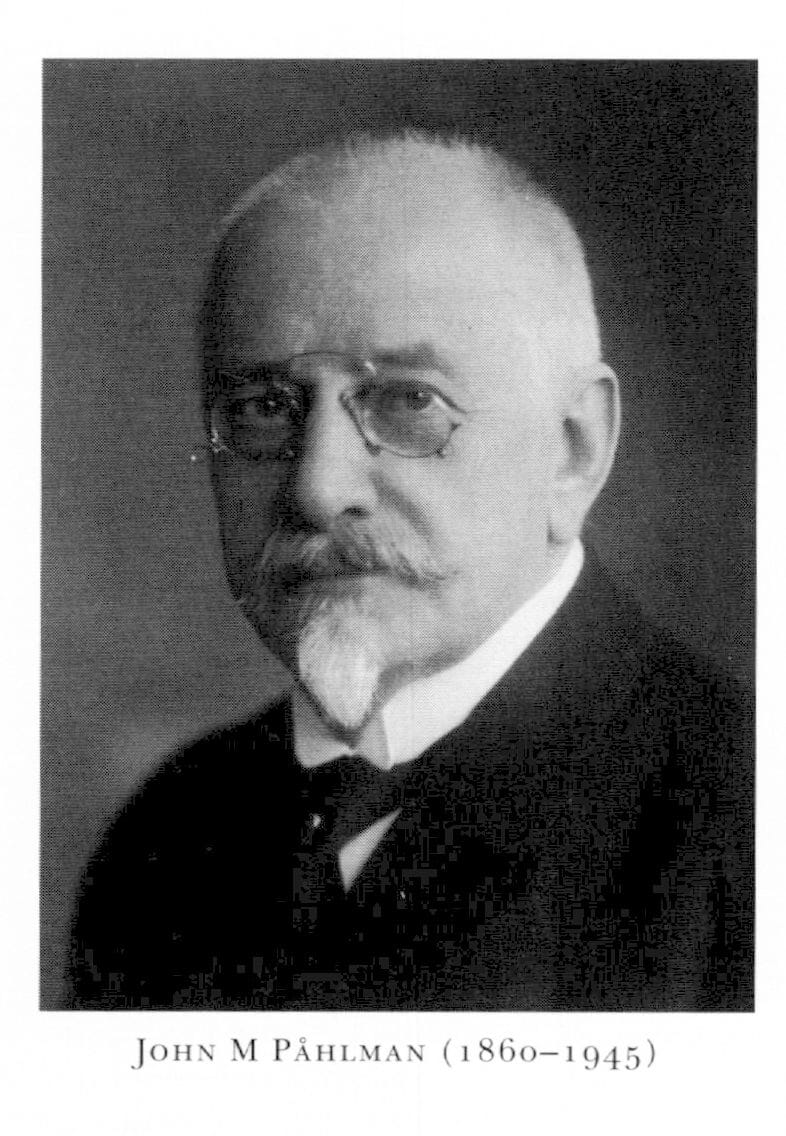
Fig. 13 - Brothers Otto Påhlman (left) and John Magnus Påhlman (right), co-founders of the Handelsinstitut in 1881. Photo by Riksarkivet.
Under John Magnus's leadership, the institute pioneered a practical approach to business education. He introduced a popular one-year program focused on mercantile subjects taught in Swedish, making it more accessible than the traditional two-year courses at other institutions.[[138]] Inspired by European schools, he established innovative practical training departments, including a "model office" (1899), a simulated bank with its own currency, and post and railway offices to give students hands-on experience. The institute's approach earned it state subsidies in 1919, the first private business school in Sweden to receive such recognition.[[139]]
The leadership of the institute remained under family leadership for generations. In 1933, John Magnus's son, John Magnus Gösta Påhlman (1895–1963), a law graduate, became rector. He further broadened the curriculum, introducing the first courses in Sweden for traveling salesmen and telephone operators, as well as programs in retail, insurance, and social psychology with an emphasis on sales techniques. In 1962, he was succeeded by his son, Ragnar Påhlman (b. 1926), who continued the family's legacy in Swedish education.[[140]]
Estonian Branch
17th centuryEstablishment in Estonia (17th century)
The Estonian branch, later styled von Pohlmann, descends from another of Jürgen the Elder's sons, Claus Pohlmann (d. c. 1696). Following the family's service to the Swedish Crown, Claus established the line as part of the landed gentry in Estonia, which was then a Swedish dominion. The family's status as landowners was demonstrated by their possession of numerous estates in the region, including Öötla (Öethel), Toila, Võrnu (Wörnuss), Sikeldi (Sicklecht), Kodila (Koddil), and Leevi (Lewer), and later Pall and Käru (Käsal).[[141]] Records from the 17th century show Claus active as a cavalry captain (German: Rittmeister) and engaged in legal matters concerning these properties.[[142]] The family's authority is further evidenced by a 1684 peasant petition to King Charles XI, which mentions a Lieutenant Pohlmann in a dispute over feudal obligations,[[143]] cementing their role within the social structure of Swedish Estonia.
Service in the Russian Empire (18th century)
Following the Great Northern War, Estonia was ceded to the Russian Empire, and the von Pohlmann family transitioned their allegiance. As the autonomous Baltic German nobility began to formally organize under Russian rule, the family sought official entry into the Estonian Knighthood.
However, protocols from the Matriculation Commission reveal that securing this status was a decade-long bureaucratic process. In June 1746, the Commission initially obliged the family to "properly document what was brought forward"[[144]] regarding their ancient noble origins. Unable to provide complete records of their earliest lineage, the family was forced to pivot their legal strategy. In February 1754, Reinhold Wilhelm von Pohlmann (1727–1795), along with his brothers Otto and Gustav, submitted additional documentation to the Chancellery, this time seeking to prove the rights of indigenous nobility (Latin: Jure Indigenatus) based on their historical landholdings during the Swedish era.[[145]]
This strategy succeeded. On July 11, 1755, the Matriculation Commission issued a decree formally recognizing their status:
The Pohlmann family proves via original letters from King Gustavo Adolpho that they were already propertied here in the country at that time; thus, since the same proofs support the notoriety of the held Jure Indigenatus, they are to enjoy these rights from Swedish times.[[146]]
— "Geschlechtsbuch der Familie von Pohlmann", National Archives of Estonia
With this decree, the family was officially entered into the Knightly Roll in Class II under No. 112. Contemporary noble registers from this period specifically list Lieutenant General Reinhold Wilhelm von Pohlmann of Kodasema and Major Gregor von Pohlmann of Sikeldi as the officially recognized persons of nobility.
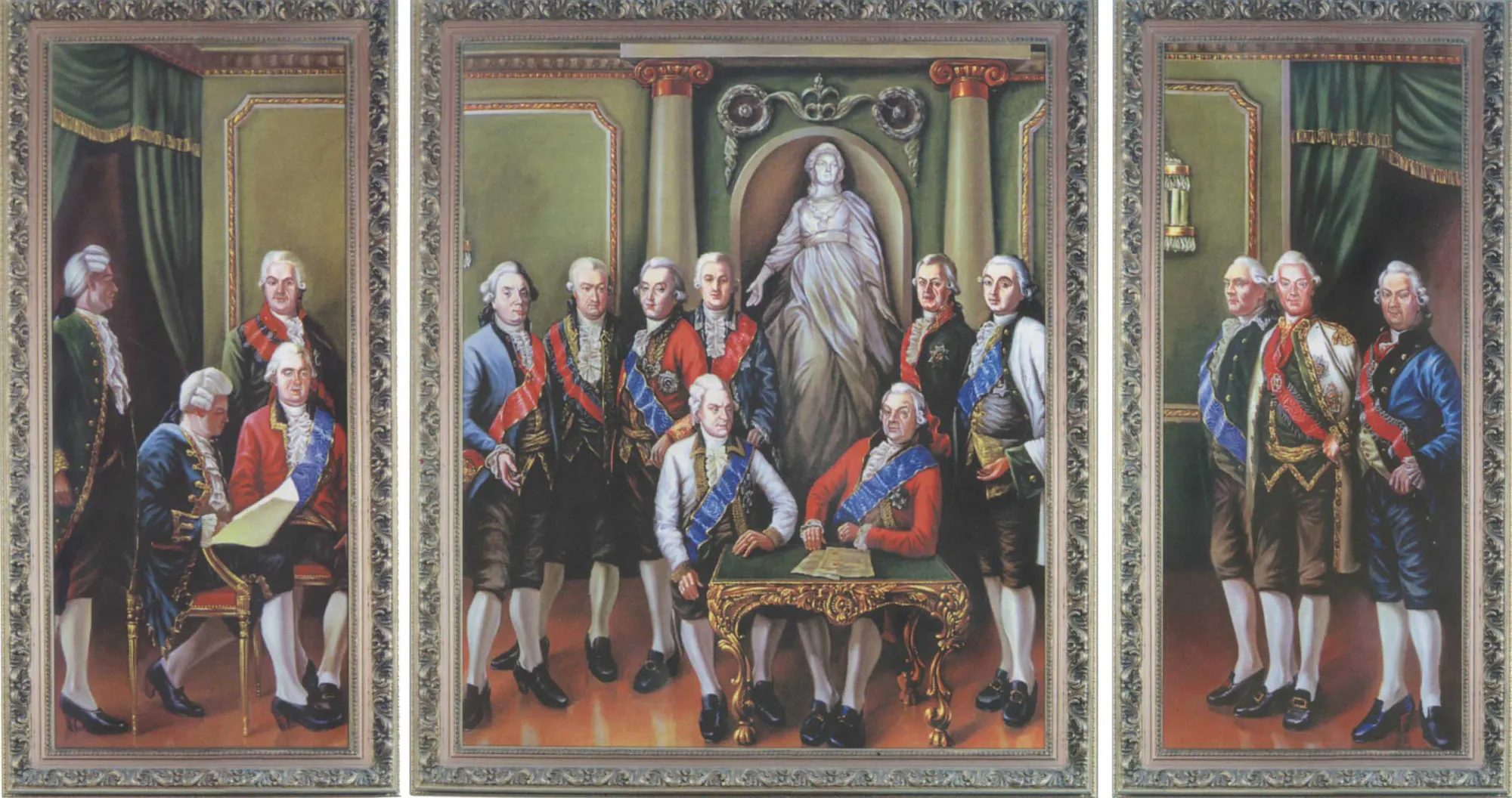
The family's influence peaked during the career of Reinhold Wilhelm von Pohlmann, who rose to prominence through decades of imperial service. His career saw a steady ascent through military and courtly ranks, from a lieutenant in 1752 to Gentleman of the Bedchamber (1761), Major General and Chamberlain (1765), Lieutenant General, and finally, Court Master of the Hunt (German: Jägermeister) in 1768, a position he held until his retirement.[[147]]
Beyond his titles, Reinhold Wilhelm exerted significant civic and cultural influence at the highest levels of the Russian state. He was a trusted administrator for Empress Catherine the Great, serving as Chief Administrator of her summer palace, Tsarskoye Selo, and as a director of German colonization projects in Ingria.[[148]][[149]] In 1765, he was a founding member of the Imperial Free Economic Society, an organization dedicated to modernizing the Russian economy and agriculture, and he served as its president in 1770.[[150]] The Empress's confidence in him was demonstrated when he was chosen to supervise the entire construction of Gatchina Palace for Catherine's favourite, Grigory Orlov.[[151]] For his long service to the state, he was awarded high honours, including the Order of St. Anna by Emperor Peter III of Russia and the Order of St. George by Catherine the Great.
"My friend Pohlmann, whom you knew by his prudence, thwarted the shenanigans of the dad and husband." — Empress Catherine the Great, personal letter to Baron von Grimm, 1788.
Lohde Castle stewardship (1786–1788)
In retirement, Reinhold Wilhelm’s reputation for being "careful and prudent,"[[152]] as noted by the Empress, led to a sensitive assignment. In 1786, Catherine the Great personally summoned him to become the steward of Lohde Castle and the guardian of Duchess Augusta of Brunswick-Wolfenbüttel. The Duchess had sought refuge at the Russian court from her husband, Prince Frederick I of Württemberg, citing abuse. Pohlmann's role was to provide a secluded, protective household, managing the estate's revenues to ensure the Duchess's security and comfort. Catherine the Great praised his handling of the delicate situation in a letter to Baron Melchior von Grimm on 19 April 1788:
"I am very glad that you are satisfied with what I have done for him, and that my friend Pohlmann, whom you knew by his prudence, thwarted the shenanigans of the dad and husband."[[153]]
— Empress Catherine the Great, in a letter to Baron Melchior von Grimm, 19 April 1788
In September 1788, the stewardship ended when the Duchess died suddenly at the castle from what was reported as a severe hemorrhage. The unclear circumstances of her death gave rise to damaging rumors, which suggested that the elderly Pohlmann was her lover and that she had died from a secret pregnancy he was trying to conceal.[[154]]
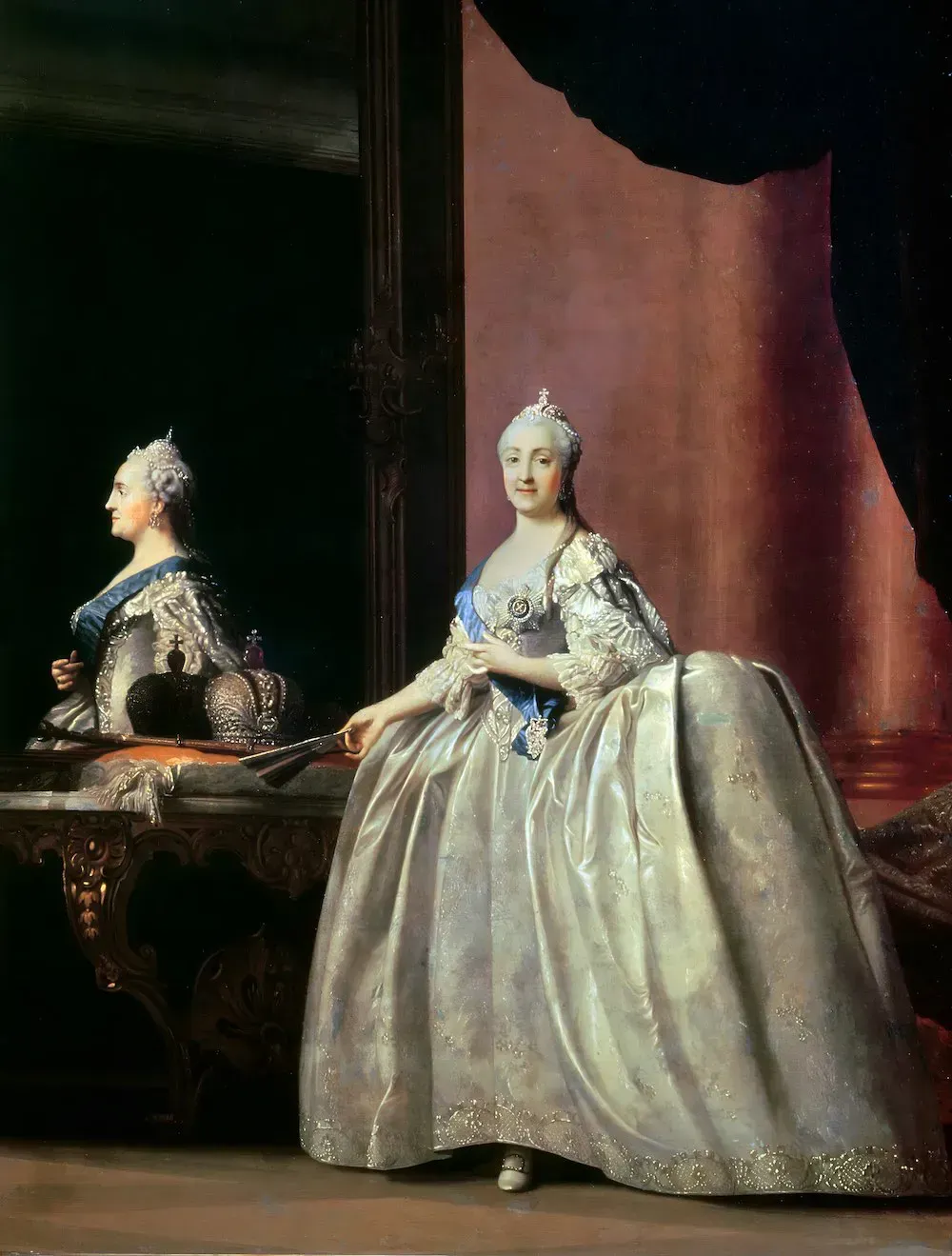
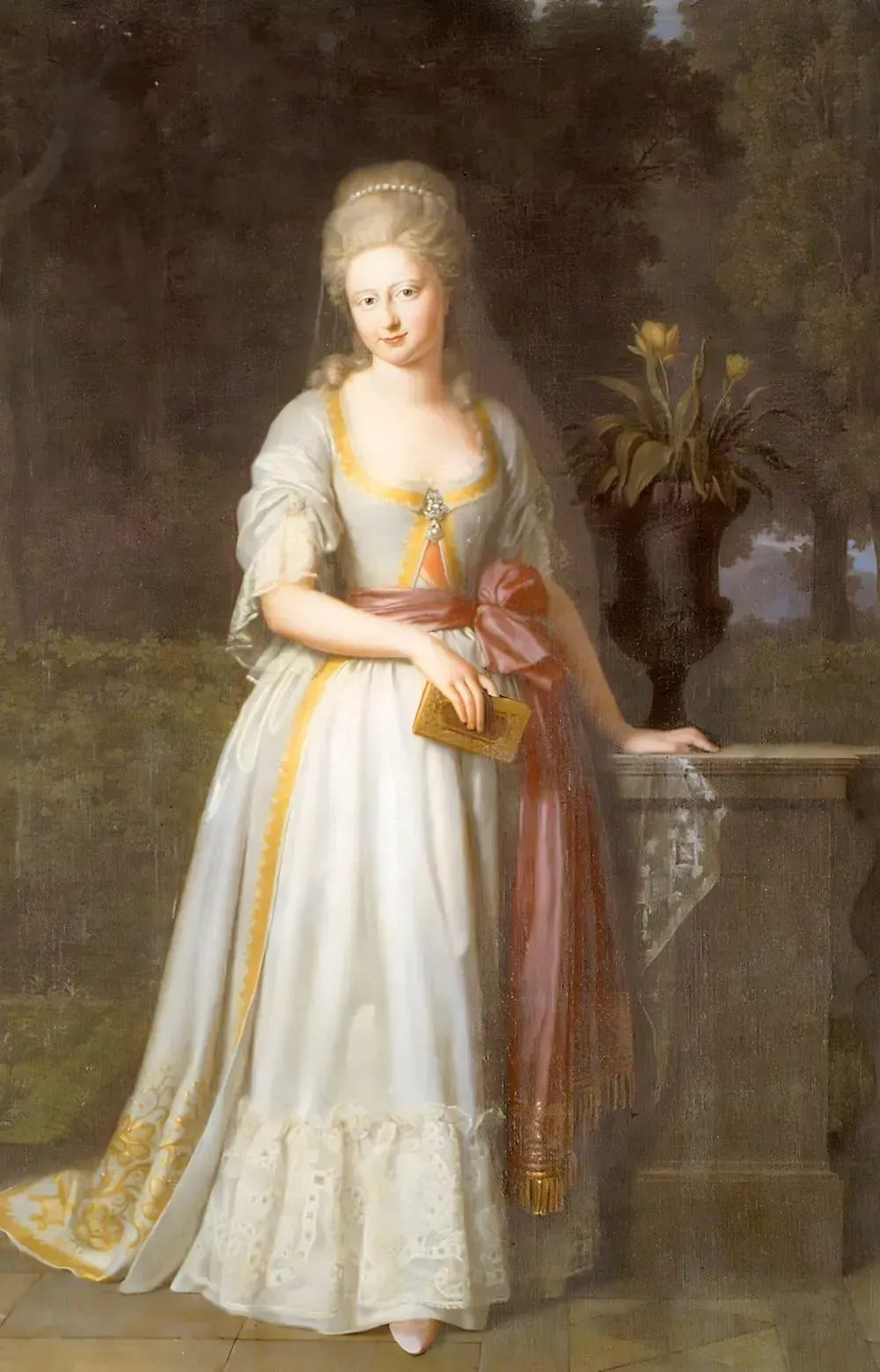
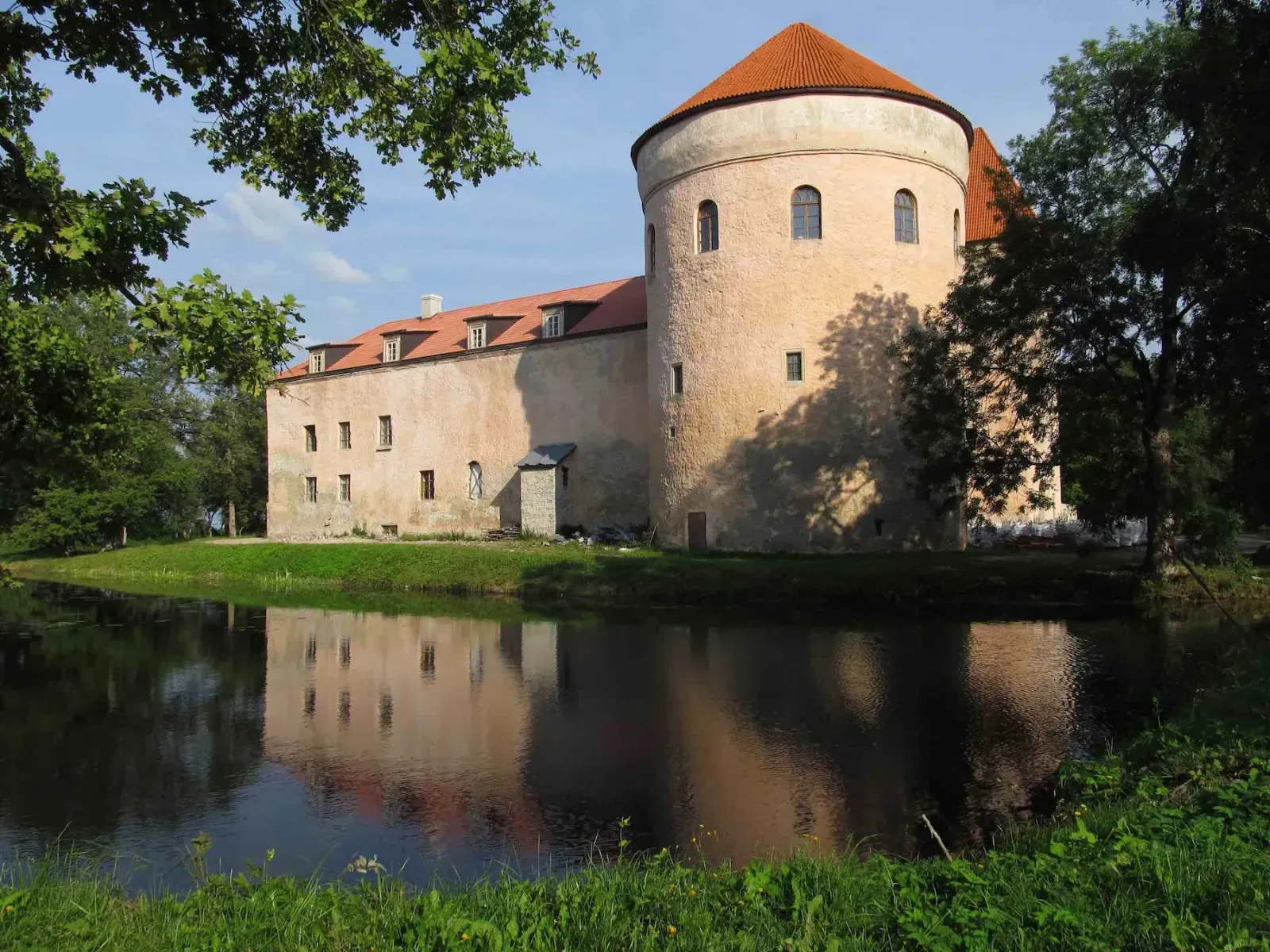
Fig. 15 - Catherine II in Front of a Mirror, 1762–1764, Vigilius Eriksen, oil on canvas. Image by Wikimedia Commons. Fig. 16 - Augusta von Braunschweig-Wolfenbüttel, unidentified painter. Image by Wikimedia Commons. Fig. 17 - Koluvere Castle, where Augusta was held under protection. Image by Laima Gūtmane (simka), CC BY-SA 3.0.
Though there was no evidence to support these claims, the scandal tarnished Pohlmann's public reputation for the remainder of his life. The matter was not clarified until 1819, when a discreet enquiry ordered by the Duchess's own son – by then the King of Württemberg – had her coffin opened. The examination found no traces of a child or pregnancy, posthumously clearing Pohlmann's name.[[155]] As the findings were not made public, the slanderous rumors persisted in some historical accounts.[[156]]
The Estonian branch of the von Pohlmann family continued for another century, eventually becoming extinct in the male line in 1898.[[157]]
The Princess and the Jägermeister
In 1786, Reinhold Wilhelm von Pohlmann was summoned from retirement by Empress Catherine the Great to serve as steward of Lohde Castle and guardian to Duchess Augusta of Brunswick-Wolfenbüttel, who had sought the protection of the Russian court. In September 1788, the Duchess died suddenly at the castle. The circumstances gave rise to rumours that circulated in historical accounts for decades. The matter was not formally investigated until 1819, when an exhumation ordered by the Duchess's son — by then King of Württemberg — produced findings that bore directly on Pohlmann's reputation.
Prussian Branch
18th centuryNot much is known about the Prussian branch of the family, but records confirm the existence of both titled and untitled noble lines in Prussian service. An archival record from 1736 documents that a von Pohlmann (also spelled Pollmann), who served as the Royal Prussian Privy Councilor and Resident in the Westphalian Circle, was granted the rank of Imperial Baron (German: Reichsfreiherr).[[158]] Nineteenth-century nobility lexicons refer to this diplomat with the initials "R. v. P." or as "N. v. Pohlmann," noting that the diploma was granted around 1735.[[159]][[160]] One source identifies a Royal Prussian Privy Councilor and Envoy to Regensburg named Adam Heinrich Pollmann, who was ennobled by the King of Prussia in 1740.[[161]]
Later records mention an untitled noble Pohlmann family of military officers in East Prussia, established in the Angerburg district.[[162]] One member of this line is noted as a captain in the von Greiffenberg Fusilier Battalion who died in 1819.[[163]]
Legacy
21st centuryA prominent institutional legacy of the family is the Påhlman's Business Institute (Swedish: Påhlmans Handelsinstitut in Stockholm. Founded in 1881, the school remains an established institution for vocational education in Sweden today. A significant physical artifact of the family's history – their original 1650 letter of arms (Swedish: sköldebrev) – was deposited at the Swedish House of Nobility in 1918, where it is preserved.
While the Estonian von Pohlmann branch became extinct in the male line in 1898, several other branches of the family remain extant. The Swedish noble branch continues into the present, with members residing in Sweden, the United States, and Australia. Similarly, descendants of the Norwegian and American diaspora – including the Peterson line that established agricultural roots in the American West – continue to reside.
Taken as a whole, the history of the Polman, Påhlman, and von Pohlmann families reflects a constant drive for reinvention and survival across centuries and continents:
“By all accounts, this is the story of a fearless family line. […] In 16th century Estonia and in 21st century America, across Sweden, Norway, Chicago, Nebraska and Idaho, they created opportunities and made every effort to grow, building on the achievements of their predecessors and making better lives for those to come.”[[164]]
— Jake Peterson, Arcadia: Peterson Family History & the Secrets of a Swedish Nobleman
The history documented here is not closed. Polmanarkivet continues to research the family's dispersal across Europe and the Americas, and new archival discoveries regularly refine or expand what is known. If you are a descendant or hold documents relevant to this history, we welcome your contribution.
The content on this page is adapted from the Wikipedia article Påhlman family, which was originally authored by Jake Peterson on behalf of Polmanarkivet. It is provided under the Creative Commons Attribution-ShareAlike License.[[1]]: Stackelberg, Otto Magnus von. Genealogisches Handbuch der estländischen Ritterschaft. Vol. 2. Görlitz: Verlag für Sippenforschung und Wappenkunde C. A. Starke, 1930, pp. 248–249.
[[2]]: Kneschke, Ernst Heinrich. Neues allgemeines deutsches Adels-Lexicon: Ossa – Ryssel. Vol. 7. Leipzig: Friedrich Voigt's Buchhandlung, 1867, p. 206.
[[3]]: Jahrbuch für Genealogie, Heraldik und Sphragistik. Mitau: J. F. Steffenhagen und Sohn, 1897, p. 131.
[[4]]: Pohlmann, M. "Vorkommen und Herkunft des Familiennamens Pohlmann." Norddeutsche Familienkunde 5 (September–October 1957): 254–256.
[[5]]: Ibid.
[[6]]: Heuser, Rita. "Pohlmann." Digitales Familiennamenwörterbuch Deutschlands (DFD). Akademie der Wissenschaften und der Literatur, Mainz. Retrieved 16 September 2023.
[[7]]: Pohlmann, "Vorkommen und Herkunft," 254–256.
[[8]]: Ibid.
[[9]]: Ibid.
[[10]]: Heuser, "Pohlmann."
[[11]]: Pohlmann, "Vorkommen und Herkunft," 254–256.
[[12]]: Ibid.
[[13]]: Anrep, Gabriel. Svenska adelns ättar-taflor. Vol. 3. Stockholm: P. A. Norstedt & Söner, 1858, p. 274.
[[14]]: "Acte der Estländischen Ritterschaft betreffend die adelige Familie Pohlmann" [Files of the Estonian Knighthood concerning the noble family Pohlmann], ca. 1852–1886, Eestimaa rüütelkond, EAA.854.3.568, Rahvusarhiiv [National Archives of Estonia], Tartu.
[[15]]: Ibid.
[[16]]: Kurländische Gesellschaft für Literatur und Kunst. Katalog der heraldischen Ausstellung zu Mitau. Mitau: J. F. Steffenhagen und Sohn, 1903, p. 131.
[[17]]: Elgenstierna, Gustaf. Den introducerade svenska adelns ättartavlor. Vol. 6. Stockholm: P. A. Norstedt & Söners förlag, 1930, p. 83.
[[18]]: Wrangel, Fredrik Ulrik, and Otto Bergström. Svenska adelns ättartaflor ifrån år 1857. Vol. 2. Stockholm: P. A. Norstedt & Söners förlag, 1897, p. 145.
[[19]]: Horst, Karl Adolf von der. Die Rittersitze der Grafschaft Ravensberg und des Fürstentums Minden. Berlin: Stargardt, 1894, p. 74.
[[20]]: Ibid.
[[21]]: Wrangel and Bergström, Svenska adelns ättartaflor, p. 145.
[[22]]: Elgenstierna, Den introducerade svenska adelns ättartavlor, vol. 6, p. 83.
[[23]]: Dullweber, Stefanie. "Ritterlich Wohnen: Familie holt altes Hofgut aus dem Dornröschenschlaf" [Knightly Living: Family Brings Old Farm out of Slumber]. Mindener Tageblatt, 8 September 2022. Retrieved 24 August 2025.
[[24]]: Anrep, Svenska adelns ättar-taflor, vol. 3, p. 274.
[[25]]: Kuropatnicki, Ewaryst Andrzej. Wiadomość o klejnocie szlacheckim. Warszawa: Michał Gröll, 1789, p. 64.
[[26]]: Starykoń-Kasprzycki, Stefan Janusz, ed. Polska encyklopedia szlachecka. Vol. 9. Warszawa: Wydawnictwo Instytutu Kultury Historycznej, 1938, p. 29.
[[27]]: Źernicki-Szeliga, Emilian von. Die polnischen Stammwappen. Hamburg: Henri Grand, 1904, p. 142.
[[28]]: Jahrbuch für Genealogie, Heraldik und Sphragistik, 1897, p. 131.
[[29]]: "Geschlechtsbuch der Familie von Pohlmann" [Genealogy Book of the von Pohlmann Family], 19th–20th century, Eestimaa rüütelkond, EAA.854.3.284, Rahvusarhiiv [National Archives of Estonia], Tartu.
[[30]]: Ibid.
[[31]]: Ibid.
[[32]]: Müller, Max. Beitrag zur baltischen Wappenkunde. Riga: E. Plates, 1931, p. 96.
[[33]]: Jahrbuch für Genealogie, Heraldik und Sphragistik, 1897, p. 131.
[[34]]: "Geschlechtsbuch der Familie von Pohlmann," EAA.854.3.284.
[[35]]: "Påhlman, släkt." Svenskt biografiskt lexikon. Riksarkivet, 1995. Retrieved 16 August 2025.
[[36]]: "Geschlechtsbuch der Familie von Pohlmann," EAA.854.3.284.
[[37]]: Ibid.
[[38]]: Ibid.
[[39]]: Ibid.
[[40]]: Stackelberg, Genealogisches Handbuch, pp. 248–249.
[[41]]: "Geschlechtsbuch der Familie von Pohlmann," EAA.854.3.284.
[[42]]: "Påhlman, släkt."
[[43]]: "Påhlman." Minerva. Riddarhuset. Retrieved 16 August 2025.
[[44]]: Status Causa et Actorum, undated. Riksarkivets ämnessamlingar. Personhistoria, vol. P 26, "Polman," Bildid: A0070062_00304 & A0070062_00305.
[[45]]: "Påhlman, släkt."
[[46]]: Hagemeister, Heinrich von. Materialien zu einer Geschichte der Landgüter Livlands. Der Dörptsche Kreis. Vol. 2. Riga: Frantz, 1837, p. 97.
[[47]]: Koit, Jakob. "Estnische Bauern als Krieger während der Kämpfe in Livland 1558–1611." Eesti Teadusliku Seltsi Rootsis aastaraamat = Annales Societatis Litterarum Estonicae in Svecia 4 (January 1966): 39–40.
[[48]]: Status Causa et Actorum, undated. Riksarkivets ämnessamlingar. Personhistoria, vol. P 26, "Polman," Bildid: A0070062_00304 & A0070062_00305.
[[49]]: Polman, Jürgen. "Letter to Anders Lennartsson," 10 August 1603. Riksarkivet (Swedish National Archives). Archival reference: Krigshistoriska Samlingen, SE/RA/754/2/VI/2. Retrieved 25 August 2025.
[[50]]: "Påhlman, släkt."
[[51]]: Elgenstierna, Den introducerade svenska adelns ättartavlor, vol. 6, p. 83.
[[52]]: Polman, Georg [Jürgen]. "Letter to Axel Oxenstierna af Södermöre," n.d. Riksarkivet (Swedish National Archives). Archival reference: Oxenstiernska samlingen, SE/RA/720701/II/01. Retrieved 25 August 2025.
[[53]]: Elgenstierna, Den introducerade svenska adelns ättartavlor, vol. 6, p. 83.
[[54]]: Hallenberg, Jonas. Svea rikes historia under Konung Gustaf Adolf den Stores regering. Vol. 3. Stockholm: J. A. Carlbohm, 1793.
[[55]]: Elgenstierna, Den introducerade svenska adelns ättartavlor, vol. 6, p. 83.
[[56]]: Status Causa et Actorum, undated. Riksarkivets ämnessamlingar. Personhistoria, vol. P 26, "Polman," Bildid: A0070062_00308 & A0070062_00309.
[[57]]: Donation of Öötla to Jürgen Polman, 13 August 1631. Riksarkivets ämnessamlingar. Personhistoria, vol. P 26, "Polman," Bildid: A0070062_00302 & A0070062_00303.
[[58]]: Confirmation letter from the Regency Government, 10 December 1641. Riksarkivets ämnessamlingar. Personhistoria, vol. P 26, "Polman," Bildid: A0070062_00310.
[[59]]: Elgenstierna, Den introducerade svenska adelns ättartavlor, vol. 6, p. 83.
[[60]]: Kronobergs regementes historiekommitté. Kungl. Kronobergs regemente under fyra sekel: 1623–1964. Växjö: Kungl. Kronobergs Regementes Historiekommitté, 1967, p. 31.
[[61]]: Wrangel and Bergström, Svenska adelns ättartaflor, p. 145.
[[62]]: Elgenstierna, Den introducerade svenska adelns ättartavlor, vol. 6, p. 83.
[[63]]: Svedenfors, Folke. "Herrgårdar i mellersta och norra Sunnerbo." In Gränsbygden 2: Mellersta och norra Sunnerbo i gången tid. Lund: C. W. K. Gleerup, 1954, pp. 524–546.
[[64]]: Elgenstierna, Den introducerade svenska adelns ättartavlor, vol. 6, p. 83.
[[65]]: Ibid.
[[66]]: "Sköldebrev för Johan och Gustav Pohlman." SVAR – Riksarkivet (Sköldebrev). Riksarkivet, 1650. Riksregistraturet, SE/RA/1112.1/B/268 (1650), Bildid: A0038763_00170. Retrieved 25 August 2025.
[[67]]: Elgenstierna, Den introducerade svenska adelns ättartavlor, vol. 6, p. 84.
[[68]]: Palmblad, Samuel. Karakterisering och kulturhistorisk värdering: Ryssby kyrka. Växjö: Smålands museum, n.d., p. 3.
[[69]]: Rosengren, Josef. Ny Smålands Beskrifning: Allbo Och Sunnerbo Härader. Edited by Ludvig Linnell and J. Fischer. Vol. 3. Växjö: Nya Vexiöbladet, 1920, p. 16.
[[70]]: Ibid.
[[71]]: Elgenstierna, Den introducerade svenska adelns ättartavlor, vol. 6, p. 83.
[[72]]: Palmblad, Karakterisering och kulturhistorisk värdering, p. 3.
[[73]]: Wandestam, Pernilla. Ryssby kyrkogård. Smålands museum rapport, vol. 2007:119. Växjö: Smålands museum, 2007. ISSN 1403-2902.
[[74]]: Palmblad, Karakterisering och kulturhistorisk värdering, p. 3.
[[75]]: Wandestam, Ryssby kyrkogård.
[[76]]: Palmblad, Karakterisering och kulturhistorisk värdering, p. 7.
[[77]]: Almquist, Johan Axel. Frälsegodsen i Sverige under Storhetstiden: Med Särskild Hänsyn till Proveniens Och Säteribildning. D. 4 Småland, Bd 3 Säterier. LiberFörlag/Allmänna förl., 1976.
[[78]]: Ibid.
[[79]]: Göta Hovrätt – Advokatfiskalen Kronobergs län (G) EVIIAAAD:37 (1681–1686) Bild 970/sid 87 (AID: v206181.b970.s87, NAD: SE/VALA/0382503).
[[80]]: Göta Hovrätt – Advokatfiskalen Kronobergs län (G) EVIIAAAD:38 (1687–1690) Bild 4650 / sid 95 (AID: v206205.b4650.s95, NAD: SE/VALA/0382503), Bild 4200 / Sida 7 (AID: v206205.b4200.s7, NAD: SE/VALA/0382503).
[[81]]: Göta Hovrätt – Advokatfiskalen Kronobergs län (G) EVIIAAAD:38 (1687–1690) Bild 3710 / Sida 207 (AID: v206205.b3710.s207, NAD: SE/VALA/0382503), Bild 3720 / Sida 209 (AID: v206205.b3720.s209, NAD: SE/VALA/0382503), Bild 3730 / Sida 211 (AID: v206205.b3730.s211, NAD: SE/VALA/0382503).
[[82]]: Almquist, Frälsegodsen i Sverige, D. 4 Bd 3.
[[83]]: Rosengren, Ny Smålands Beskrifning, vol. 3, p. 10.
[[84]]: "Påhlman, släkt."
[[85]]: Elgenstierna, Den introducerade svenska adelns ättartavlor, vol. 6, p. 84.
[[86]]: Ibid.
[[87]]: Sjöström, Oskar. Fraustadt 1706: Ett fält färgat rött. Lund: Historiska Media, 2009, p. 180.
[[88]]: Ibid.
[[89]]: Elgenstierna, Den introducerade svenska adelns ättartavlor, vol. 6, p. 84.
[[90]]: "Påhlman, släkt."
[[91]]: Elgenstierna, Den introducerade svenska adelns ättartavlor, vol. 6, p. 84.
[[92]]: Voltaire. Voltaire's History of Charles XII King of Sweden. Translated by Winifred Todhunter. London: JM Dent & Sons Ltd., 1908, pp. 178–179. https://archive.org/stream/voltaireshistory00voltuoft/voltaireshistory00voltuoft_djvu.txt
[[93]]: Elgenstierna, Den introducerade svenska adelns ättartavlor, vol. 6, p. 84.
[[94]]: Ibid.
[[95]]: "Påhlman, släkt."
[[96]]: Elgenstierna, Den introducerade svenska adelns ättartavlor, vol. 6, p. 84.
[[97]]: "Påhlman, släkt."
[[98]]: Elgenstierna, Den introducerade svenska adelns ättartavlor, vol. 6, p. 84.
[[99]]: Dahl, Torsten, and Nils Bohman, eds. Svenska män och kvinnor: Biografisk uppslagsbok. Vol. 6. Stockholm: Albert Bonniers förlag, 1949, p. 181.
[[100]]: Statement signed by the concerned parties, 1819. Sunnerbo District Court Archives, Estate records and inheritances. Riksarkivet, SE/VALA/01582/F II/26 (1818–1819), image ID: C0112570_01026. https://sok.riksarkivet.se/bildvisning/C0112570_01026
[[101]]: Brändström, Anders. "Illegitimacy and Lone-Parenthood in XIXth Century Sweden." Annales de démographie historique 1998-2: 93–114.
[[102]]: Statement signed by the concerned parties, 1819. Riksarkivet, SE/VALA/01582/F II/26 (1818–1819), image ID: C0112570_01026. https://sok.riksarkivet.se/bildvisning/C0112570_01026
[[103]]: SAKO, Bragernes kirkebøker, F/Fa/L0007: Ministerialbok nr. I 7, 1815–1829, pp. 622–623. https://www.digitalarkivet.no/kb20051125010615
[[104]]: SAST, Domkirken sokneprestkontor, 30/30BA/L0009: Parish register (official) no. A 9, 1821–1832, p. 378.
[[105]]: Ueland, Andreas. Recollections of an Immigrant. 1929.
[[106]]: Weeks, Joseph. "Report on the Statistics of Wages in Manufacturing Industries." In 1880 Census, vol. 20. Washington: United States Department of the Interior, Census Office / GPO, 1883.
[[107]]: Wages and Earnings in the United States, 1860–1890.
[[108]]: "Påhlman, släkt."
[[109]]: Elgenstierna, Den introducerade svenska adelns ättartavlor, vol. 6, p. 84.
[[110]]: "Påhlman, släkt."
[[111]]: Ibid.
[[112]]: Elgenstierna, Den introducerade svenska adelns ättartavlor, vol. 6, p. 84.
[[113]]: Alm, Mikael. "The Cautious Crusader: The Swedish King as a Peace-Promoting Monarch." In Scripts of Kingship: Essays on Bernadotte and Dynastic Formation in an Age of Revolution, edited by Mikael Alm and Britt-Inger Johansson. Uppsala: Reklam & Katalogtryck AB, 2008, p. 21.
[[114]]: Wachtmeister, Hans, and Hugo Wachtmeister. Anteckningar och bref från Carl Johanstiden ur landshöfdingen grefve Hans Wachtmeister den äldres papper. Stockholm: Norstedt, 1915, p. 174. hdl:2027/umn.31951001260392c.
[[115]]: "Påhlman, släkt."
[[116]]: Strömberg, Valentin H. "Fördomar Och Ekonomisk Krishantering 1815 Års Riksdag Och Frågan Om Judars Rättsställning I Sverige" [Prejudice and Economic Crisis Management: The 1815 Riksdag and the Question of the Legal Status of Jews in Sweden]. In Liber Amicorum Kjell Å Modéer, edited by Bernhard Diestelkamp et al. Lund: Juristförlaget i Lund, 2007, pp. 503–517.
[[117]]: "Påhlman, släkt."
[[118]]: Heß, Cordelia. The Medieval Archive of Antisemitism in Nineteenth-Century Sweden. Berlin/Boston: Walter de Gruyter GmbH, 2022, pp. 4–5.
[[119]]: "Påhlman, släkt."
[[120]]: Ibid.
[[121]]: Elgenstierna, Den introducerade svenska adelns ättartavlor, vol. 6, p. 84.
[[122]]: "Otto Fredric Påhlman." Linköpingsbladet, 11 May 1822.
[[123]]: Wachtmeister, Anteckningar och bref, p. 174.
[[124]]: Segerstråle, Nils. Svenska fideikommiss. Stockholm: Almqvist & Wiksell, 1979, pp. 234–235.
[[125]]: Luthander, Lennart, Louise Tham, and Gösta von Schoultz. Slott och herresäten i Sverige: Västergötland Dalsland Värmland. Malmö: Allhems Förlag, 1968, p. 144.
[[126]]: Ibid.
[[127]]: Ibid.
[[128]]: Segerstråle, Svenska fideikommiss, pp. 234–235.
[[129]]: "Påhlman, släkt."
[[130]]: Ibid.
[[131]]: Ibid.
[[132]]: Ibid.
[[133]]: Elgenstierna, Den introducerade svenska adelns ättartavlor, vol. 6, p. 84.
[[134]]: Landahl, Joakim. "Skönhetsfostran." Skolöverstyrelsen, 4 October 2012. https://www.skoloverstyrelsen.se/?p=632
[[135]]: Ibid.
[[136]]: "Påhlman, släkt."
[[137]]: Elgenstierna, Den introducerade svenska adelns ättartavlor, vol. 6, p. 84.
[[138]]: "Påhlman, släkt."
[[139]]: Ibid.
[[140]]: Ibid.
[[141]]: Stackelberg, Genealogisches Handbuch, pp. 248–249.
[[142]]: Pabst, Eduard. Est- und Livländische Brieflade: eine Sammlung von Urkunden zur Adels- und Gütergeschichte Est- und Livlands in Uebersetzungen und Auszügen. Abt. 2 Schwedische und Polnische Zeit Bd. 1 Die Jahre 1561 bis 1650. Reval: Kluge u. Ströhm, 1861, p. 810.
[[143]]: Treiberg, P. "Eestimaa talunikkude palve- ja kaebekiri kuningas Karl Xl-le 1684. a." [Petition and Letter of Complaint of the Estonian Peasants to King Charles XI in 1684]. Ajalooline Ajakiri 3 (1929): 162–164. Retrieved 23 August 2025.
[[144]]: "Geschlechtsbuch der Familie von Pohlmann," EAA.854.3.284.
[[145]]: Ibid.
[[146]]: Ibid.
[[147]]: "Pohlman, Reinhold Wilhelm v. (1727–1795)." BBLD – Baltisches Biografisches Lexikon digital. Baltische Historische Kommission. Retrieved 16 August 2025.
[[148]]: Ibid.
[[149]]: Bartlett, Roger P. "J. J. Sievers and the Russian Peasantry Under Catherine II." Jahrbücher für Geschichte Osteuropas, Neue Folge, 32, no. 1 (1984): 16–33.
[[150]]: "Pohlman, Reinhold Wilhelm v. (1727–1795)."
[[151]]: Ibid.
[[152]]: Grot, Iakov, ed. Sbornik imperatorskago russkago istoricheskago obshchestva. Vol. 23. St. Petersburg: Tipografiia Imperatorskoi Akademii Nauk, 1878, p. 416. Retrieved 16 August 2025.
[[153]]: Grot, Sbornik imperatorskago russkago istoricheskago obshchestva, vol. 23, p. 440.
[[154]]: Kühle, Riëtha. Princess Auguste: On a Tightrope Between Love and Abuse. London: Amazon Kindle Direct Publishing, 2021, chapter 13.
[[155]]: Ibid., chapter 14.
[[156]]: Golovine, Varvara Nikolaevna. Memoirs of Countess Golovine: A Lady at the Court of Catherine II. Translated by G. M. Fox-Davies. London: David Nutt, 1910, p. 178.
[[157]]: Stackelberg, Genealogisches Handbuch, pp. 248–249.
[[158]]: Österreichisches Staatsarchiv. "AT-OeStA/HHStA RK Taxamt 24-86 Pohlmann (Pollmann), von..." Retrieved 16 August 2025.
[[159]]: Hefner, Otto Titan. Stammbuch des blühenden und abgestorbenen Adels in Deutschland. Vol. 3. München: G. J. Manz, 1865, p. 173.
[[160]]: Kneschke, Neues allgemeines deutsches Adels-Lexicon, vol. 7, p. 206.
[[161]]: Ledebur, Leopold von. Adelslexicon der Preußischen Monarchie. Vol. 2. Berlin: Ludwig Rauh, 1855, p. 215, entry for "Pollmann."
[[162]]: Kneschke, Neues allgemeines deutsches Adels-Lexicon, vol. 7, p. 206.
[[163]]: Ledebur, Adelslexicon der Preußischen Monarchie, vol. 2, p. 214, entry for "Pohlmann."
[[164]]: Peterson, Jake. Arcadia: Peterson Family History and the Secrets of a Swedish Nobleman. USA: Pictures & Stories Inc., 2022.